Field notes from the edge.
What our engineers learned this week. Hands-on technical deep-dives, postmortems, and strategy frameworks.

 AI
AIPrompt Injections for Defense
Security researchers at Tracebit have discovered a defensive technique called 'context bombing' that protects sensitive data on AWS by embedding prompt injections alongside secrets. These prompts trigger guardrail violations in attacking AI agents, causing them to shut down when attempting to access protected information. However, the technique's effectiveness is limited to AI models with safety g
 AI
AIMalicious LiteLLM Releases Tied to Trivy Hack May Have Exposed 2,100+ Organizations
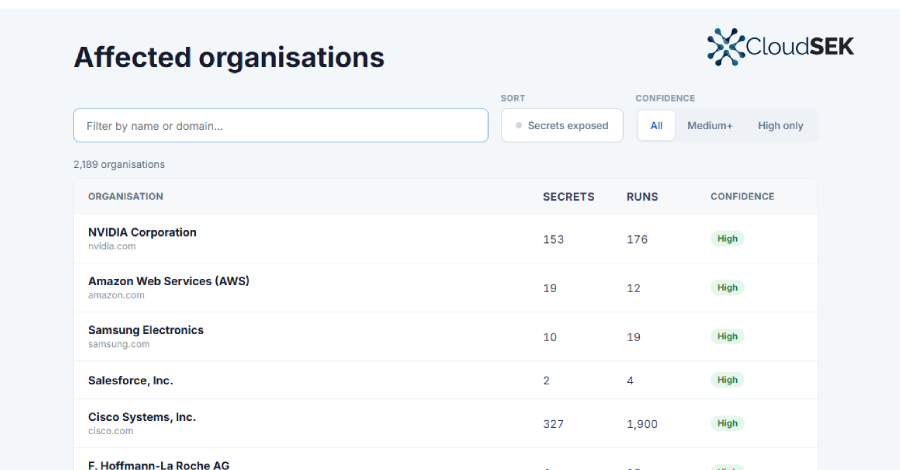
Two malicious versions of the LiteLLM package were published on PyPI for approximately 40 minutes in March, containing credential-stealing malware that targeted cloud keys, SSH keys, Kubernetes tokens, and database passwords. CloudSEK's analysis of approximately 434,000 captured files suggests that over 2,100 organizations may have been exposed to this supply chain attack.
 AI
AICanadian Man Pleads Guilty in Snowflake Extortions
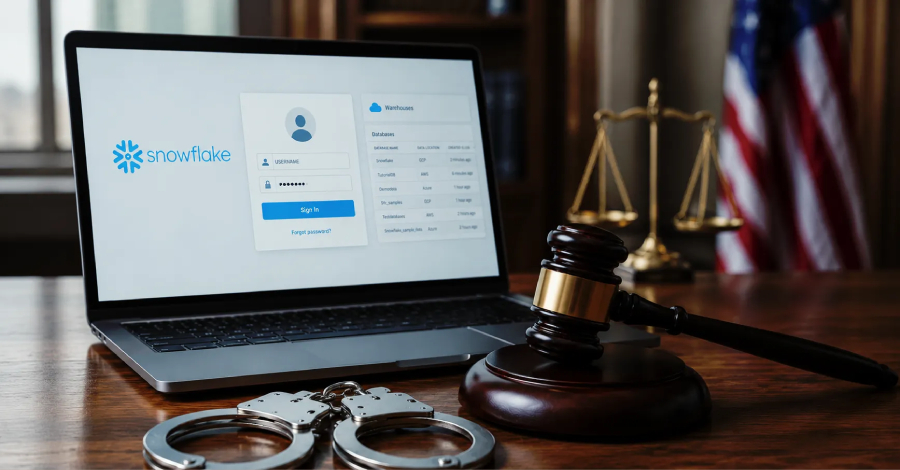
Connor Riley Moucka, a 26-year-old Canadian cybercriminal, has pleaded guilty to orchestrating a massive data breach campaign targeting over 165 Snowflake cloud storage customers, including AT&T, TicketMaster, and other major enterprises. The attacks exploited accounts lacking multi-factor authentication, resulting in the theft of billions of sensitive customer records and over $2.5 million in ran
 AI
AISnowflake Hacker Pleads Guilty Over Breaches Affecting at Least 100 Million People
Connor Riley Moucka, a 26-year-old Canadian, pleaded guilty to multiple federal charges including computer fraud and wire fraud related to the 2024 Snowflake customer account breaches. The attacks compromised at least 165 organizations and exposed personal data of over 100 million individuals, with Moucka personally profiting at least $495,000 from the scheme.
 AI
AIAmGen Announces Cyberattack and Data Breach Involving Patient Data
Biopharmaceutical company Amgen disclosed a material cybersecurity incident involving unauthorized access to third-party cloud storage systems, resulting in the exfiltration of proprietary data, patient protected health information, and other sensitive data. The company detected the breach in July 2026, immediately activated its incident response plan, and filed an 8-K with the SEC, though it does
 AI
AIHealth-ISAC Warns of Increasing ShinyHunters Healthcare Data Theft Attacks
Health-ISAC has issued a cybersecurity alert warning healthcare organizations about increasing attacks by ShinyHunters, a threat group that uses voice-based social engineering (vishing) to compromise cloud accounts and exfiltrate data from SaaS platforms. Unlike ransomware actors, ShinyHunters targets SSO systems like Okta and Microsoft Entra to gain access to multiple applications, then demands r
 AI
AIAzure Cosmos DB Flaw Exposed Platform-Wide Key That Could Access Any Database
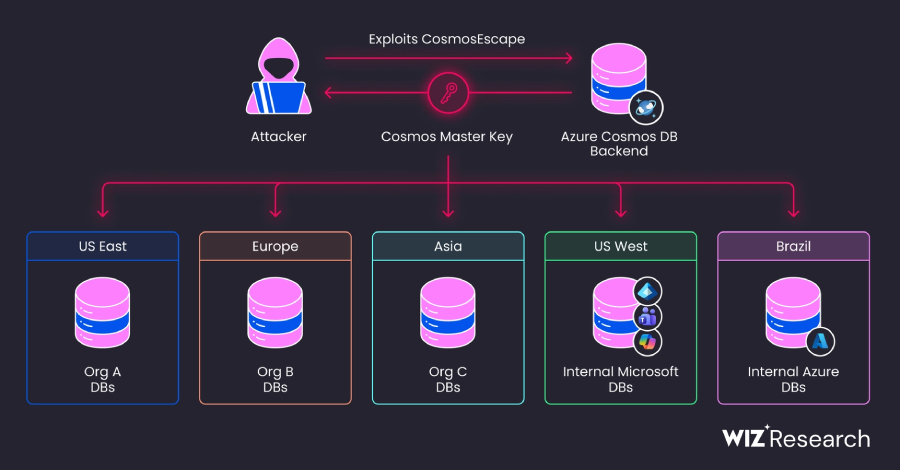
A critical vulnerability in Azure Cosmos DB, dubbed CosmosEscape by Wiz researchers, could have allowed attackers to escape the Gremlin query sandbox and gain unauthorized read/write access to databases across all customer tenants. The exploit chain began with a specially crafted query against an attacker-controlled Gremlin database, leading to code execution that could compromise the entire platf
 AI
AIGhost Credentials Expose Cloud Systems to Hidden Identity Risks
Security researcher Aleksandr Krasnov has identified a critical vulnerability in cloud systems involving dormant non-human identities (NHIs) that create security blind spots. To address this issue, Krasnov released NHI Hound, an open-source tool designed to detect and map trust paths associated with these ghost credentials.
 AI
AIChinese Hackers Abused Google Workspace Rules to Steal Research and Defense Emails
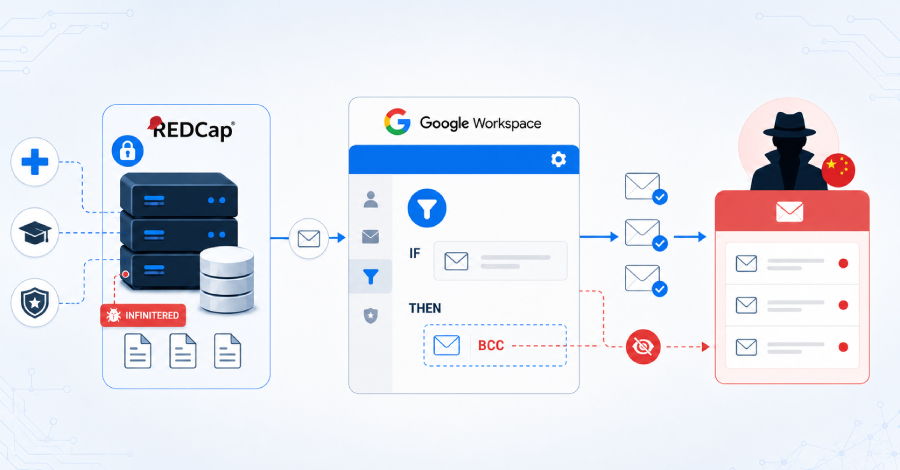
A Chinese state-linked threat actor compromised North American medical, academic, and military research organizations for over a year by exploiting REDCap research servers to steal credentials. The attackers then manipulated victims' Google Workspace email forwarding rules to exfiltrate sensitive research and defense communications, demonstrating an innovative persistence and data theft technique
 AI
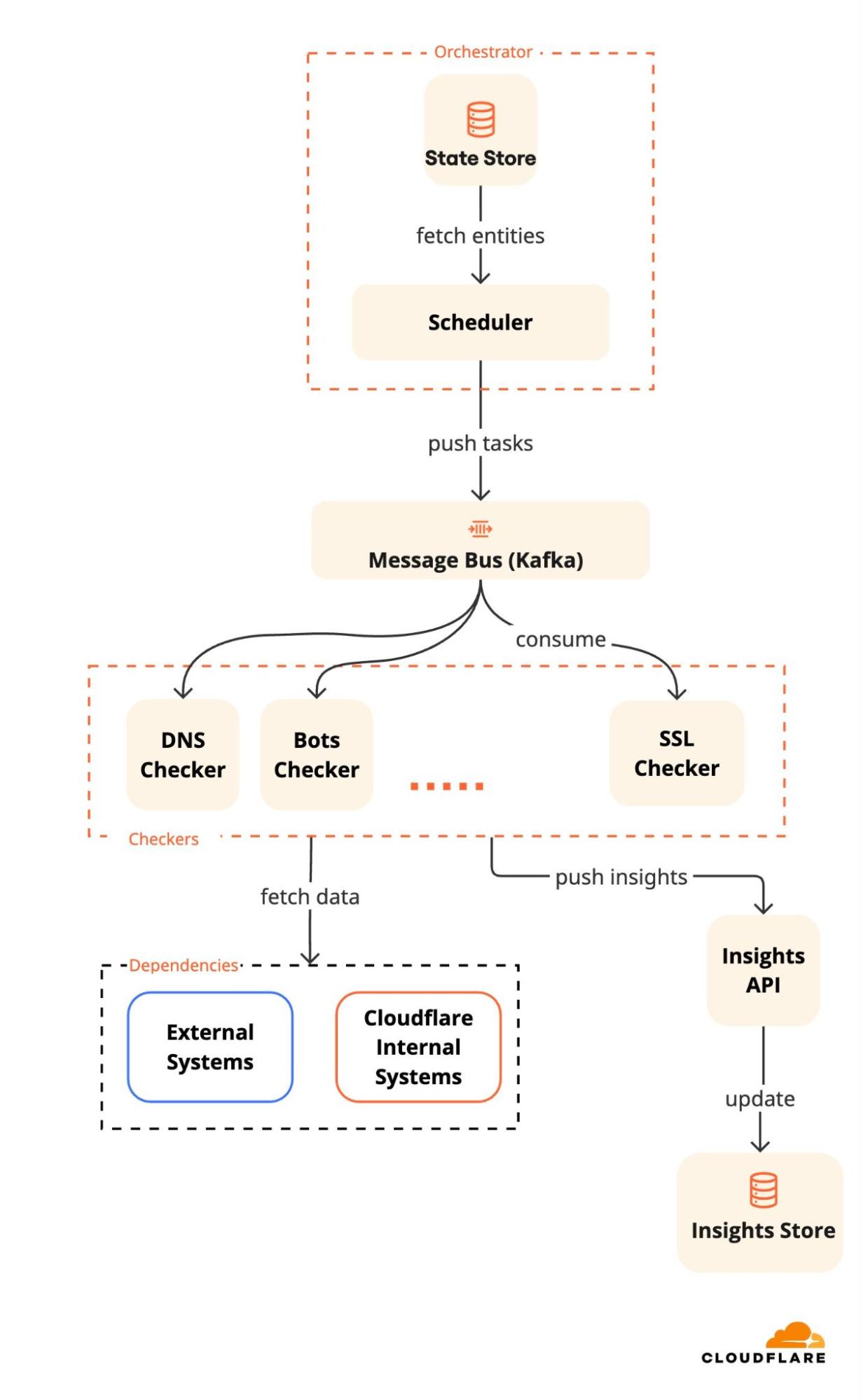
AIScaling Security Insights: how we achieved a 10x increase in global scanning capacity
Cloudflare's Security Insights team successfully scaled their global scanning capacity by 10x—from 10 to 100 scans per second—enabling more frequent security scans and automatic coverage for millions of previously unmonitored free-tier accounts. The engineering effort addressed critical bottlenecks including Kafka consumer limitations, database query inefficiencies, and API latency issues caused b
 AI
AIAnthropic Claude Fable 5 on AWS: Mythos-class capabilities with built-in safeguards now available
Anthropic has launched Claude Fable 5 on Amazon Bedrock and AWS, offering Mythos-level AI capabilities with built-in safeguards for broader enterprise use. The model features long-running task execution, advanced vision capabilities for document processing, and proactive self-verification, while automatically routing high-risk prompts to the less capable Opus 4.8 model. Enterprise customers can ac
 AI
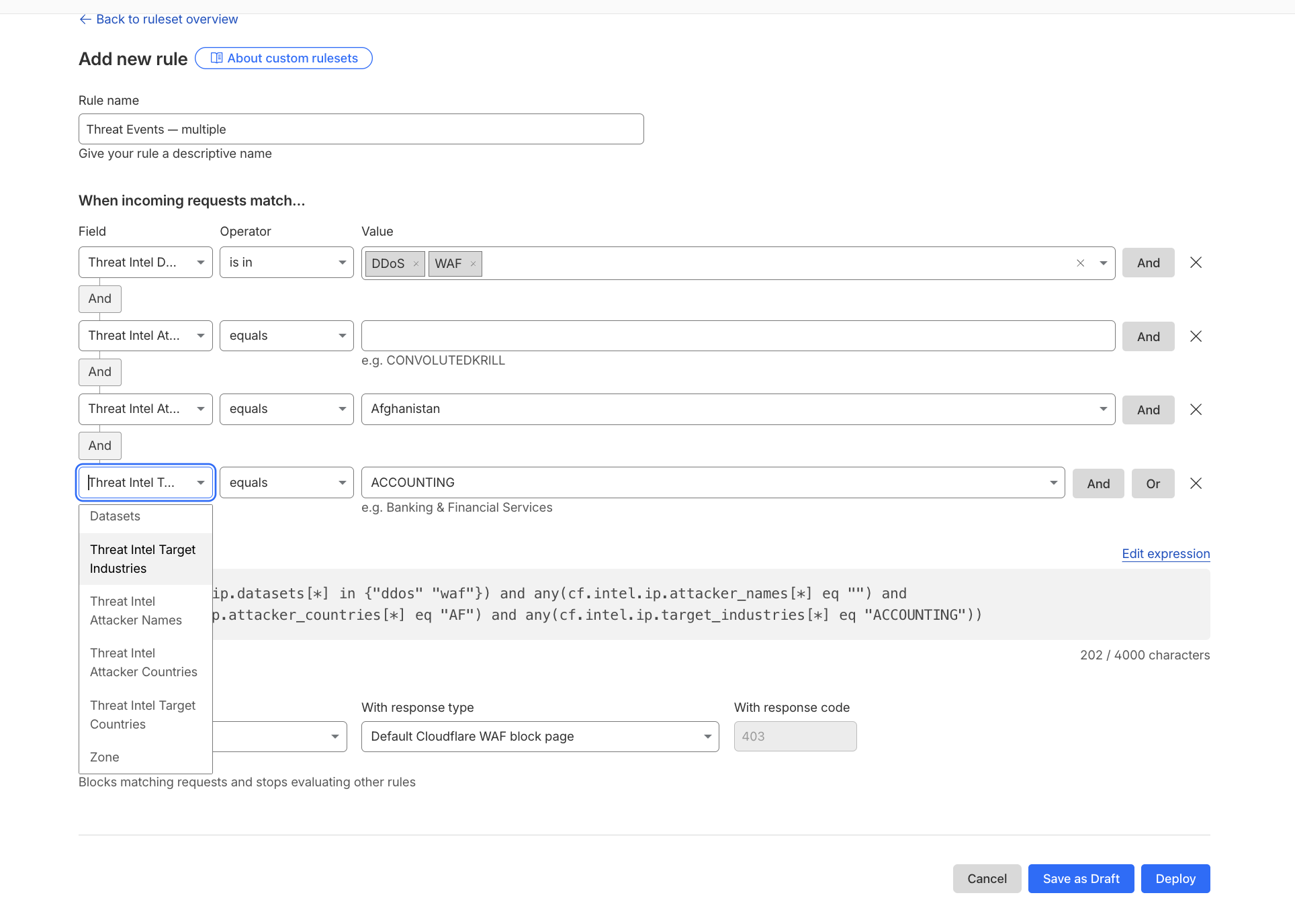
AITurning Cloudflare’s threat indicators into real-time WAF rules
Cloudflare has introduced a new integration that allows security teams to automatically translate threat intelligence from its Threat Events platform into proactive WAF rules, eliminating the manual process of configuring blocks for known malicious IPs. The solution leverages an 'always-on' detection framework that enriches HTTP requests with real-time threat metadata, enabling organizations to fi
 AI
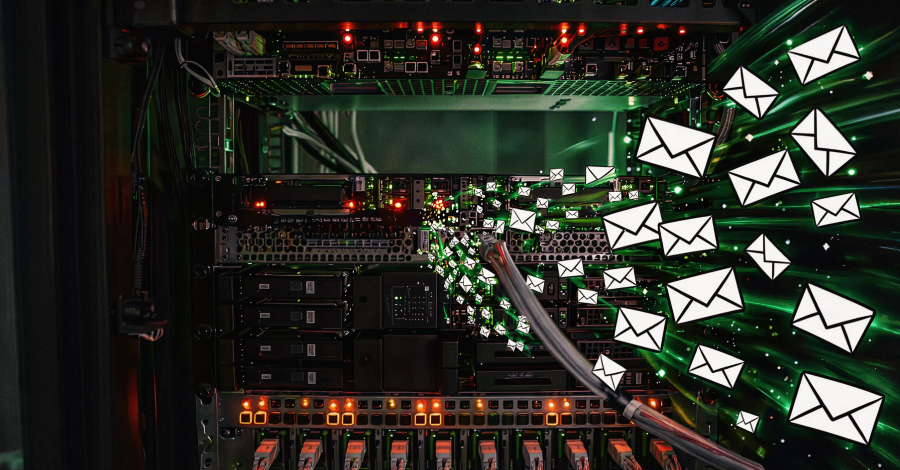
AIPCPJack Hijacks 230 AWS, Google Cloud, and Azure Servers for Covert SMTP Relay Network
The threat actor PCPJack has compromised approximately 230 cloud servers across AWS, Google Cloud, and Microsoft Azure to establish a covert SMTP email relay network. The hijacked business servers spanning the U.S., Europe, and Asia were converted into SMTP proxies that were verified for mail relay capability and synchronized to downstream consumers every five minutes.
 AI
AIFBI-Flagged Phishing Kit Kali365 Expands Its Reach
The FBI-flagged Kali365 phishing-as-a-service platform has expanded beyond its original Microsoft 365 targets to now include AWS, Okta, and Russian platforms. The threat actor toolkit leverages device code phishing techniques to compromise enterprise authentication systems across multiple cloud service providers.
 AI
AIAttackers Use LLM Agent for Post-Exploitation After Marimo CVE-2026-39987 Exploit
A threat actor exploited CVE-2026-39987 in publicly-accessible Marimo notebooks to gain initial access, then deployed an LLM agent to conduct post-exploitation activities. The attacker successfully extracted cloud credentials from the compromised system, demonstrating a novel attack technique combining traditional vulnerability exploitation with AI-powered automation.
 AI
AIWith Complex Cloud Integrations, Small Errors Lead to Major Compromises
Security researchers uncovered a critical exploit chain in a widely-used automation service that leveraged over-permissioned roles, exposed secrets, and compromised non-human identities. The discovery highlights how seemingly minor misconfigurations in complex cloud integrations can cascade into major security vulnerabilities. This case underscores the growing risk surface created by interconnecte
 AI
AIPCPJack Credential Stealer Exploits 5 CVEs to Spread Worm-Like Across Cloud Systems
A new credential theft framework called PCPJack has been identified targeting exposed cloud infrastructure by exploiting five CVEs to spread in a worm-like manner. The malware harvests credentials from cloud services, containers, developer tools, productivity platforms, and financial services before exfiltrating data through attacker-controlled infrastructure, while also removing competing TeamPCP
 AI
AIEnforcing trust and transparency: Open-sourcing the Azure Integrated HSM
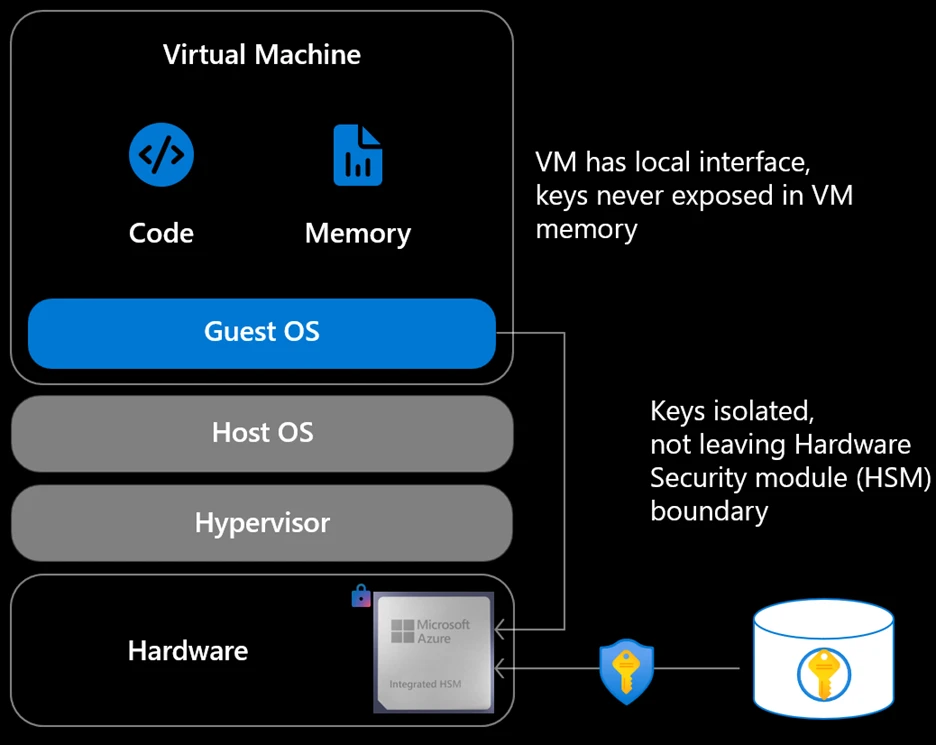
Microsoft is open-sourcing its Azure Integrated HSM, a FIPS 140-3 Level 3 certified hardware security module built into every new Azure server, to enhance transparency and trust in cloud cryptographic operations. The firmware, driver, and software stack will be released through the Open Compute Project, enabling independent validation by customers, partners, and regulators. This server-local appro
 AI
AIAzure IaaS: Defense in depth built on secure-by-design principles
Microsoft Azure IaaS implements a comprehensive security architecture combining defense-in-depth layering with Secure Future Initiative (SFI) principles across compute, networking, and storage infrastructure. Security is engineered from hardware roots of trust through virtualization boundaries, with protections enabled by default including network isolation, encryption, and DDoS mitigation. The pl