Field notes from the edge.
What our engineers learned this week. Hands-on technical deep-dives, postmortems, and strategy frameworks.
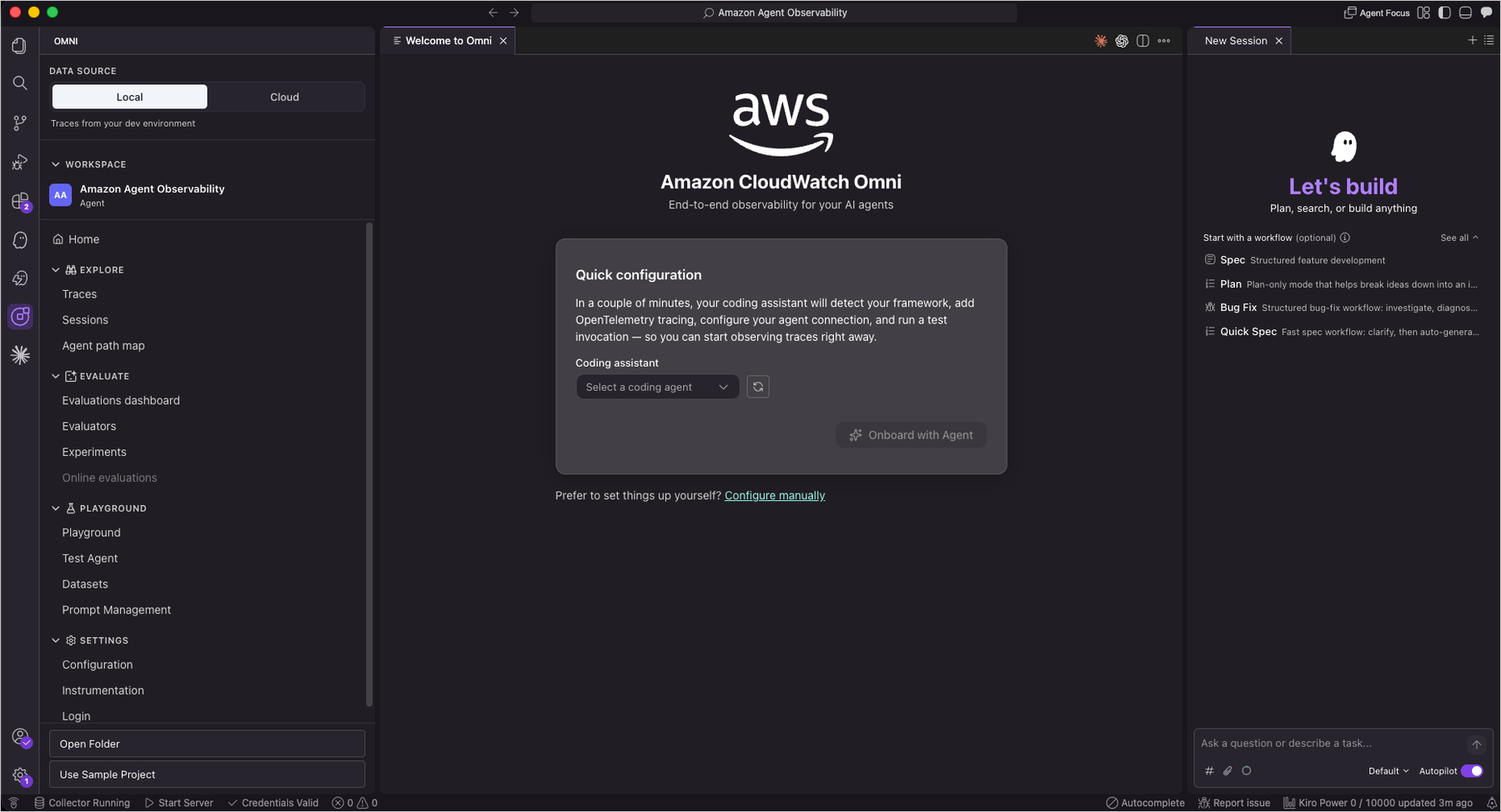
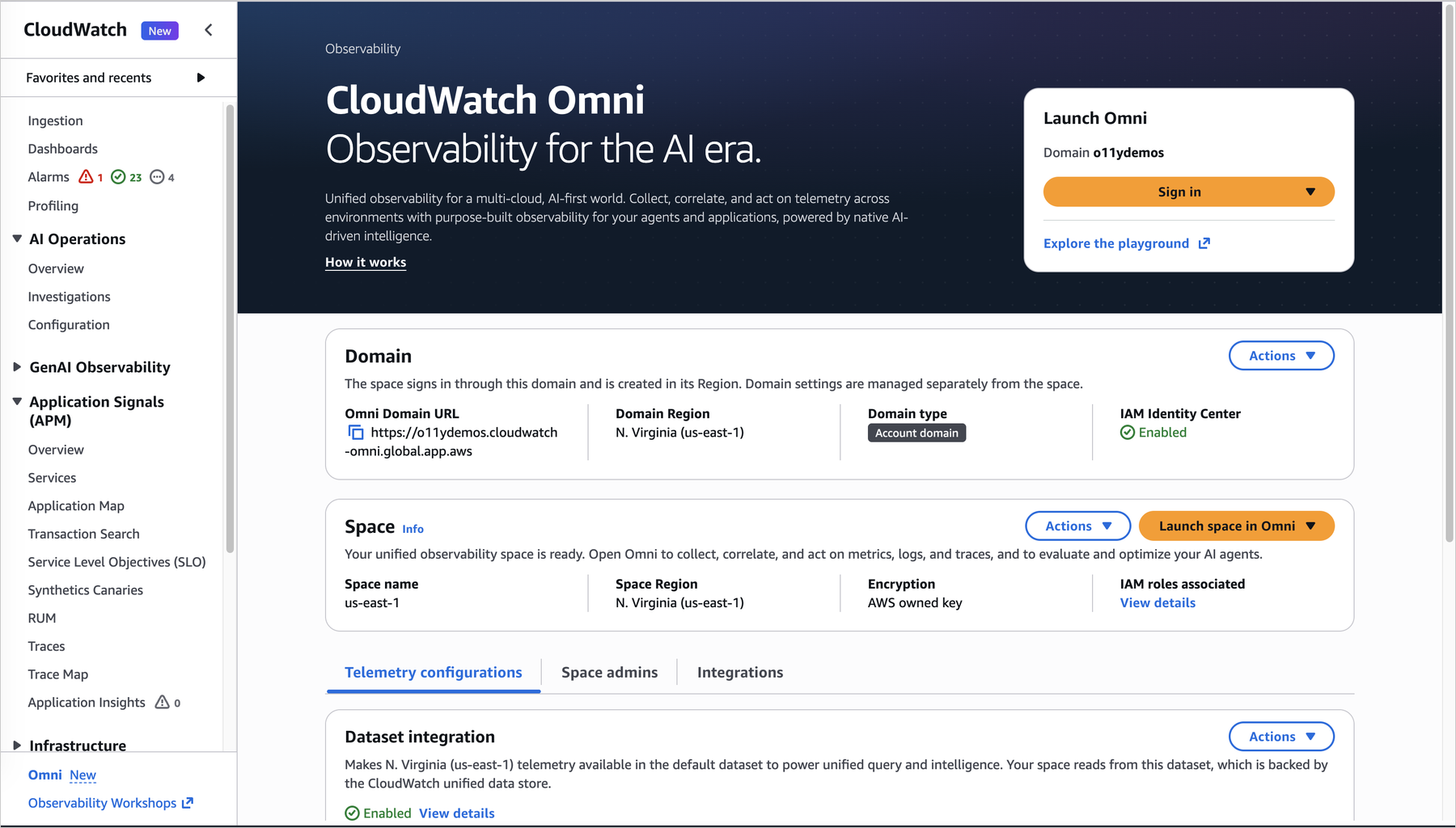
Introducing Amazon CloudWatch Omni: collaborative AI-powered observability for your applications
Amazon CloudWatch now offers CloudWatch Omni, an AI-powered observability experience for the applications and AI agents you run together. You reach Omni through a dedicated URL for your organization and sign in with the identities you already manage, so working in Omni does not require access to the AWS Management Console. Omni is built on OpenTelemetry: the telemetry you alrea
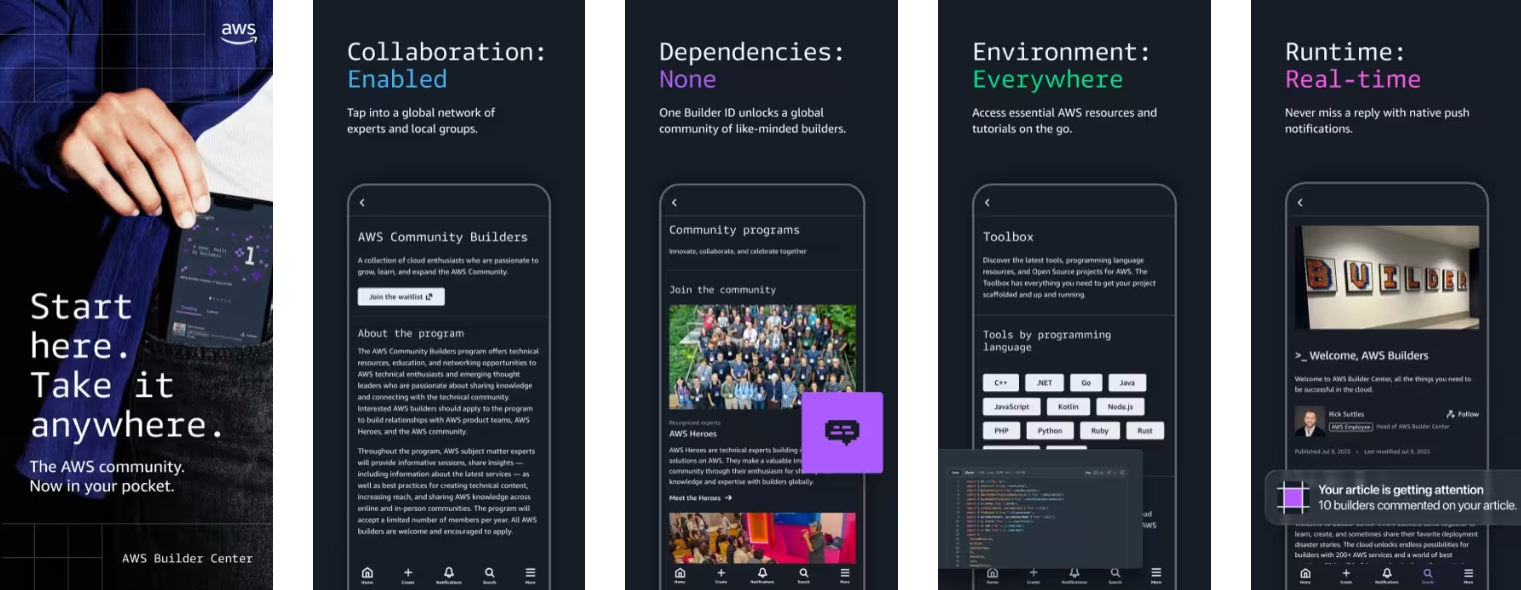
AWS Weekly Roundup: AWS Builder Center mobile apps, Amazon Connect Talent GA, Amazon Corretto 27, and more (September 21, 2026)
Living in the Netherlands, I spend a fair amount of time on trains, and that is usually where I catch up on what the builder community is writing. Until now, that meant opening a laptop or squinting at a browser tab on my phone. This week I found myself scrolling through trending articles and checking a workshop from the AWS Builder Center mobile app while waiting for a delayed
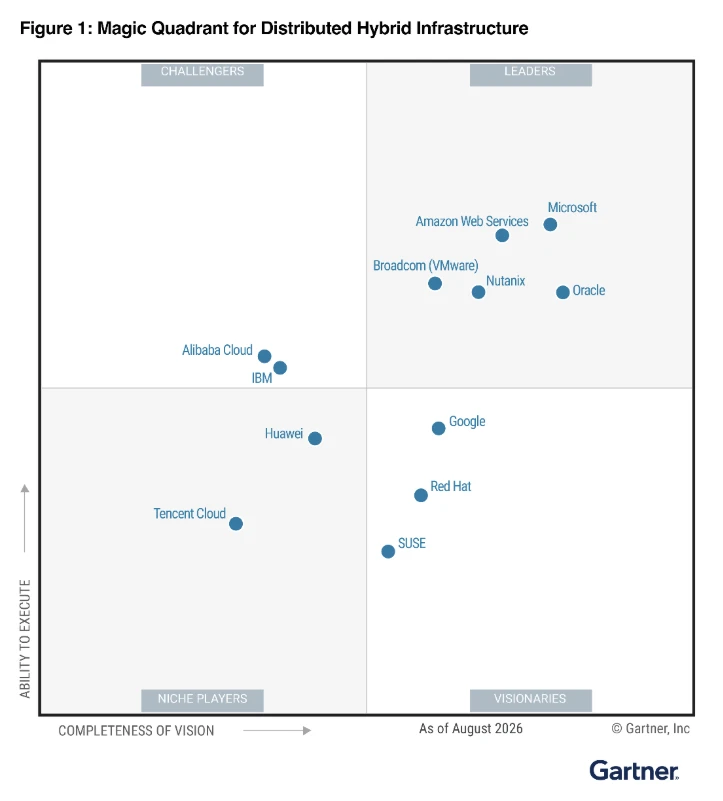
Microsoft recognized as a Leader in the 2026 Gartner® Magic Quadrant™ for Distributed Hybrid Infrastructure
We’re proud to share that Microsoft has been recognized as a Leader in the 2026 Gartner® Magic Quadrant™ for Distributed Hybrid Infrastructure for the fourth consecutive year. Microsoft is positioned highest for Ability to Execute . We believe this recognition reflects the strength of Microsoft’s unified approach to distributed infrastructure. With Azure Local and Azure Arc, or

New low-cost burstable Amazon EC2 T8i instances are generally available
Today, we’re announcing the general availability of new low-cost burstable Amazon EC2 T8i instances powered by custom sixth generation Intel Xeon Scalable Processors (Granite Rapids), available only on AWS. T8i instances are among the lowest-cost EC2 instances and deliver up to 30% better price performance over previous generation T3 instances . These instances are designed to
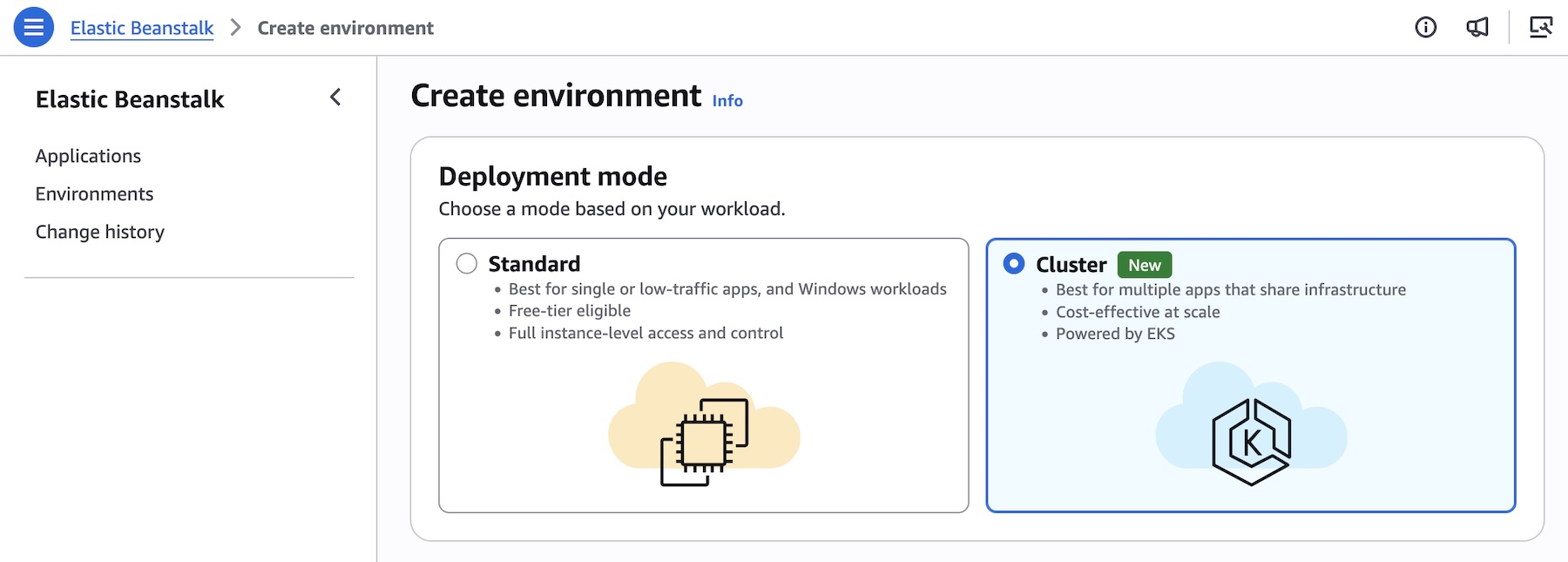
AWS Elastic Beanstalk introduces Cluster Mode
Since the first launch of AWS Elastic Beanstalk in 2011, customers have deployed full-stack applications in Java, .NET, Python, Node.js, PHP, Ruby, and Go, trusting Elastic Beanstalk to manage deployment and infrastructure operations so they could focus on business logic. Fifteen years later, that trust has only deepened, and the service has been rebuilt to match it. Now, AWS E
AWS reimagines the getting started experience
Amazon Web Services (AWS) started with a handful of foundational infrastructure services such as Amazon Simple Storage Service (Amazon S3) , Amazon Elastic Compute Cloud (Amazon EC2) , and Amazon Simple Queue Service (Amazon SQS) , so that anyone with an idea could start building. As the world’s largest companies and governments adopted AWS, they asked for features to optimize
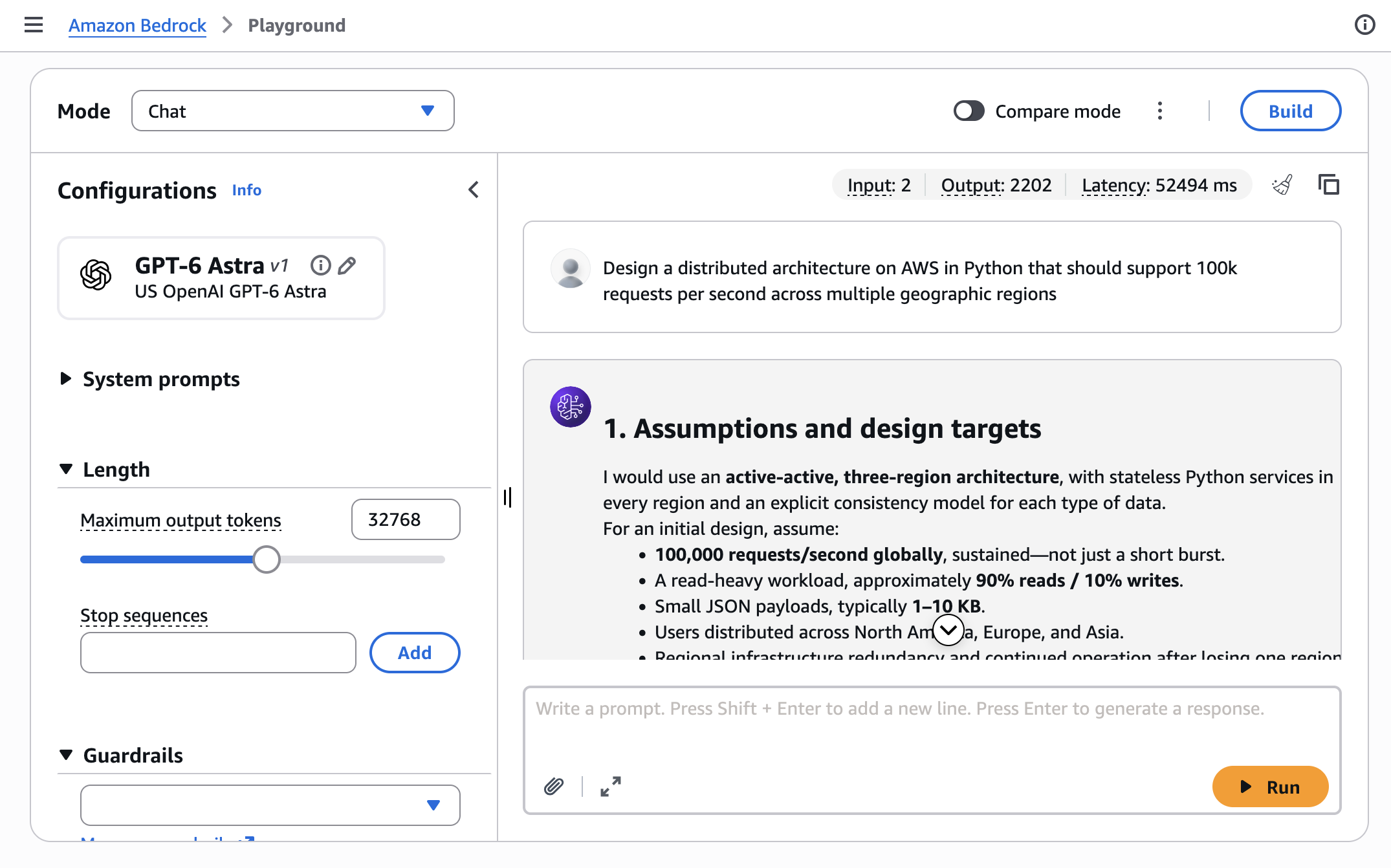
AWS Weekly Roundup: OpenAI GPT-6 Astra on Amazon Bedrock, Amazon Quick desktop GA, Kiro for students, and more (September 14, 2026)
There’s a particular energy to mid-September in New York. Pumpkin spice lattes are flowing, temperatures are dropping, and it’s nearly sweater weather. The city is back at full speed, and so is the AWS launch calendar. This week that energy showed up in a new frontier model on Amazon Bedrock, a desktop app for Amazon Quick, and a reminder that the developers seeing the biggest

The Economics of Agent Optimization: How AI agent governance controls cost and proves ROI
This blog post is the fourth and final installment of The Economics of Agent Optimization , which shares the strategies, capabilities, and proof points that can help you optimize agent costs and run AI as a managed investment system on Microsoft Foundry. The first post set out the three decisions that systems rest on , the second post took the request at runtime, and the third
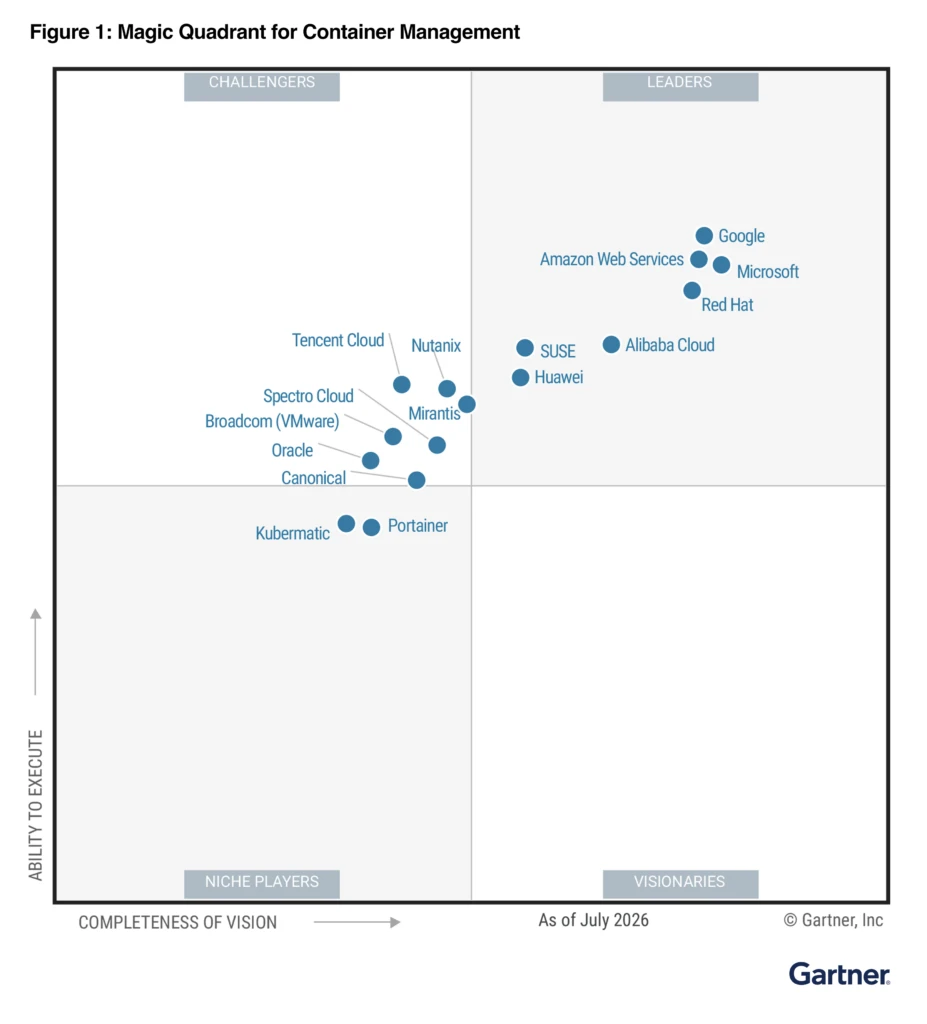
Microsoft named a Leader in the 2026 Gartner® Magic Quadrant™ for Container Management
I am pleased to share that Microsoft has been named a Leader in the 2026 Gartner® Magic Quadrant™ for Container Management, positioned furthest to the right on Completeness of Vision. We believe this recognition reflects our ability to help customers modernize existing applications and embrace AI workloads without adding operational complexity. Furthermore, this recognition com

Introducing Amazon EBS Volume Clones across AWS accounts
Last year, we introduced Volume Clones of Amazon Elastic Block Store (Amazon EBS) , a new capability that lets you create instant point-in-time copies of your EBS volumes within the same Availability Zone. Today, we are extending Volume Clones with cross-account copy, so you can create copies of your EBS volumes into other AWS accounts and optionally re-encrypt them with an AWS

Beyond the benchmark: How an adaptive approach drives scientific discovery
For research and development (R&D) organizations, the promise of agentic AI is not a better one-time answer. It is a new way to explore complex scientific and engineering problems: pursuing multiple hypotheses, validating them against evidence, learning from what does not work, and adapting their approach as new information becomes available. This unique nature of the agentic d

Two zones or three? A design framework for zone-resilient Azure workloads
Takeaway: Zone resiliency isn’t a single number you apply to a whole workload. The useful question isn’t “how many zones?” but “how many zones does each component need to survive the loss of one?” Decide zone patterns component by component, use service-managed zone redundancy wherever it fits, and reserve three-zone designs for the components that genuinely require a third fai
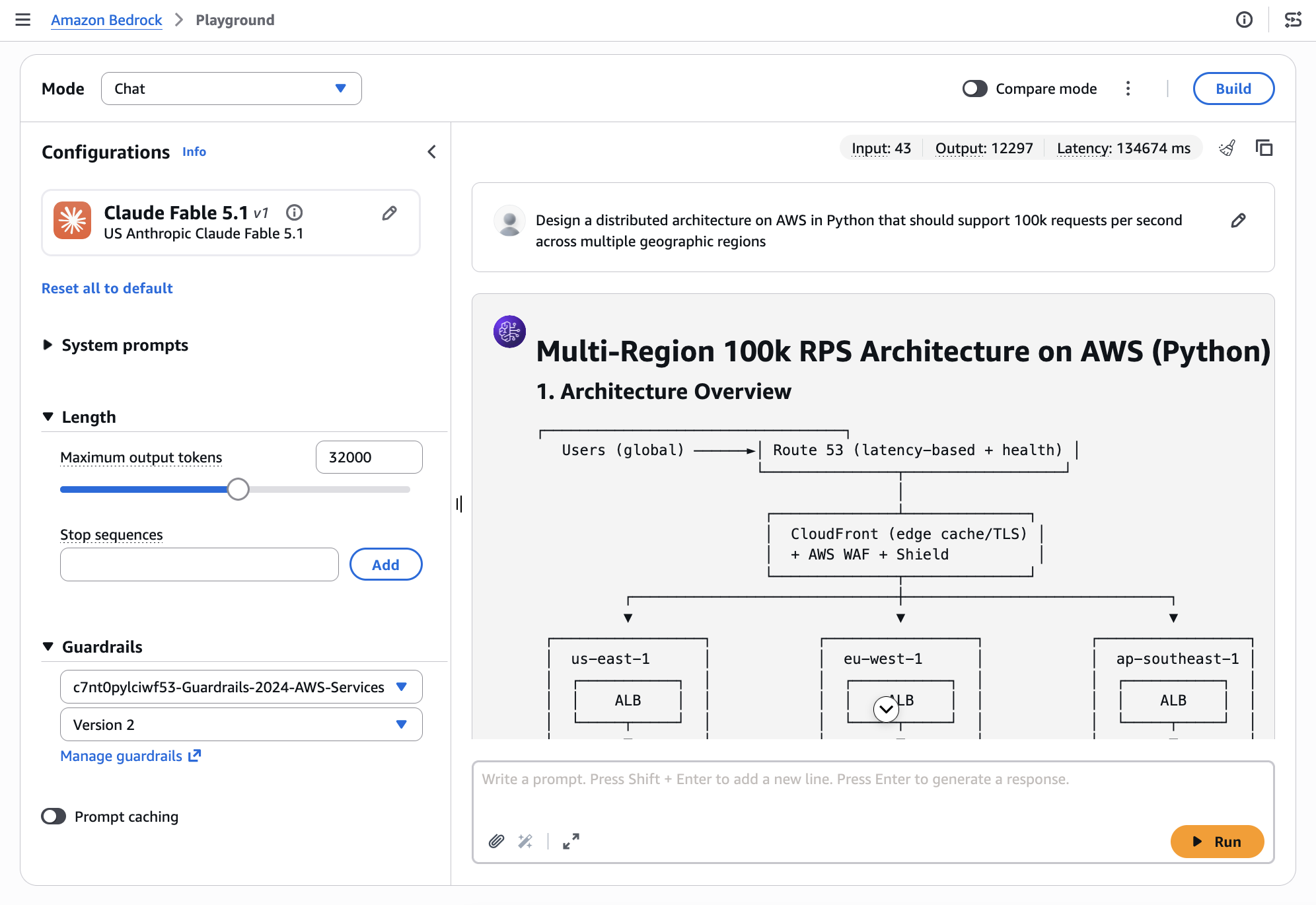
AWS Weekly Roundup: Claude Fable 5.1 on AWS, Amazon Linux 2027 preview, AWS Certified AI Business Strategist, and more (September 7, 2026)
Last week, Claude Fable 5.1 became available on AWS . According to Anthropic, Claude Fable 5.1 delivers frontier intelligence for ambitious tasks across coding, scientific research, and enterprise workflows. Claude Fable 5.1 is built for long-running, high-stakes work that runs for hours and spans many applications. It can own more of a software project on its own, handling fea

GPT-6 Astra: Frontier intelligence for work, now generally available in Microsoft Foundry
The next era of enterprise AI will not be defined by chat experiences. It will be defined by how well a model can work for and with you. GPT-6 Astra , OpenAI’s newest frontier model, is now generally available for all customers in Microsoft Foundry . It is designed to help organizations make decisions for complex work and execute across the applications and systems where your b

GPT-6 Astra: Frontier intelligence for work, now generally available in Microsoft Foundry
The next era of enterprise AI will not be defined by chat experiences. It will be defined by how well a model can work for and with you. GPT-6 Astra , OpenAI’s newest frontier model, is now generally available for all customers in Microsoft Foundry . It is designed to help organizations make decisions for complex work and execute across the applications and systems where your b
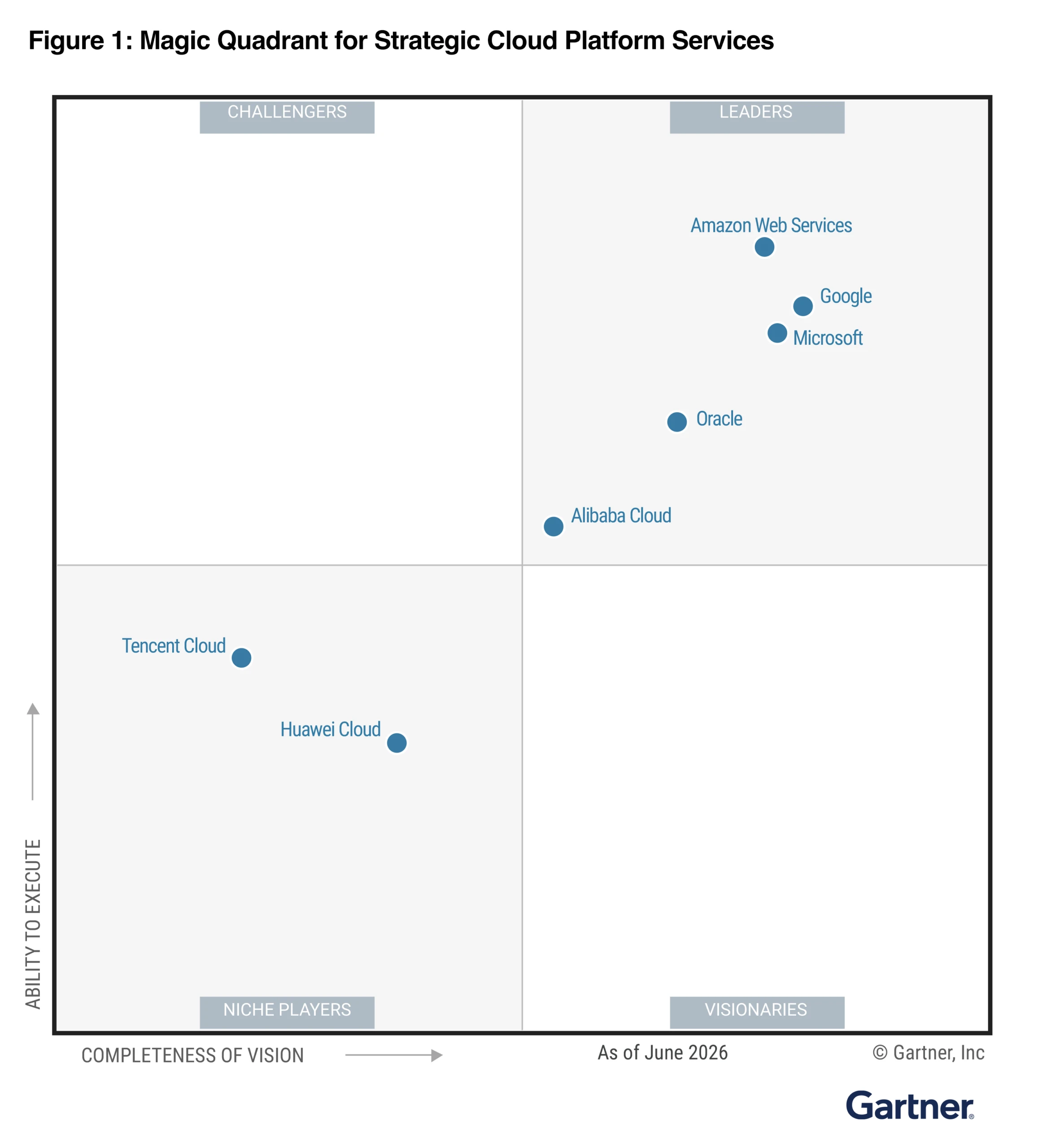
Enterprise AI transformation relies on the end-to-end platform: Azure was built for this moment
Summary The recognition for Microsoft over the past couple of weeks comes down to models, infrastructure, data, applications, and developer tools working as one system when AI moves into production. Enterprise AI is moving into production, and our customers are becoming multi-model. Organizations will use frontier models where capability matters, and smaller, specialized, and o
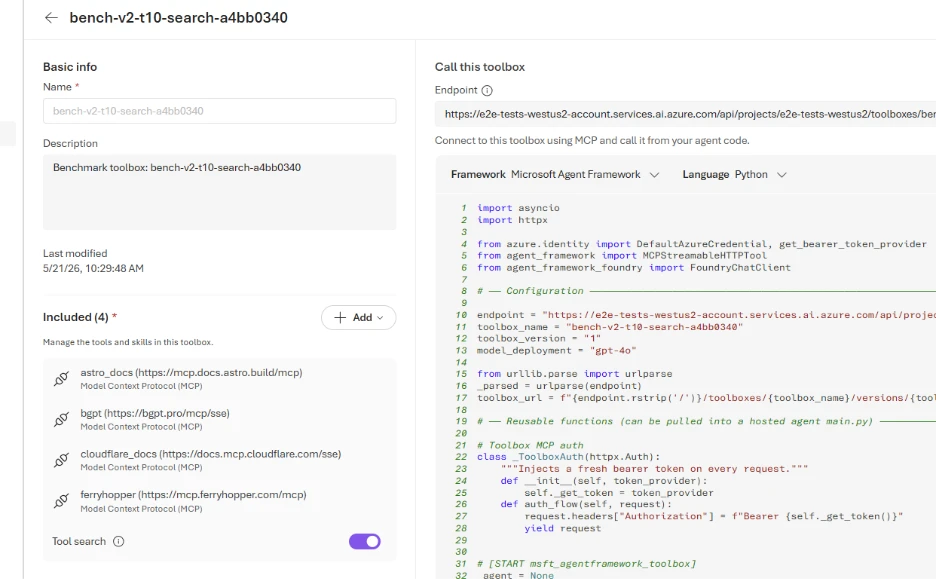
The Economics of Agent Optimization: Context engineering for enterprise AI agents
This blog post is the third of a four-part series called The Economics of Agent Optimization , which shares the strategies, capabilities, and proof points to help you optimize agent costs and run AI as a managed investment system on Microsoft Foundry. The first post set out the three decisions that systems rest on. The second post took the request at runtime. This post takes th

Inside Microsoft’s marketing team: Scaling expertise with AI
Business leaders are facing a familiar challenge at an unfamiliar scale. Every organization is being asked to move faster as markets change quickly, customer expectations continue to rise, and technology advances at a pace that can feel overwhelming. Teams are expected to deliver greater results, often with the same resources they had before. AI is helping organizations meet th

Introducing Azure Multicloud Interconnect for AWS
As organizations accelerate AI adoption and modernize their digital estates, applications, data, and infrastructure increasingly span multiple cloud environments. Customers are choosing the best platform for each workload, leveraging unique capabilities across providers to drive innovation, resilience, and business agility. Yet while multicloud strategies have become commonplac