Field notes from the edge.
What our engineers learned this week. Hands-on technical deep-dives, postmortems, and strategy frameworks.

The Economics of Agent Optimization: How AI agent governance controls cost and proves ROI
This blog post is the fourth and final installment of The Economics of Agent Optimization , which shares the strategies, capabilities, and proof points that can help you optimize agent costs and run AI as a managed investment system on Microsoft Foundry. The first post set out the three decisions that systems rest on , the second post took the request at runtime, and the third
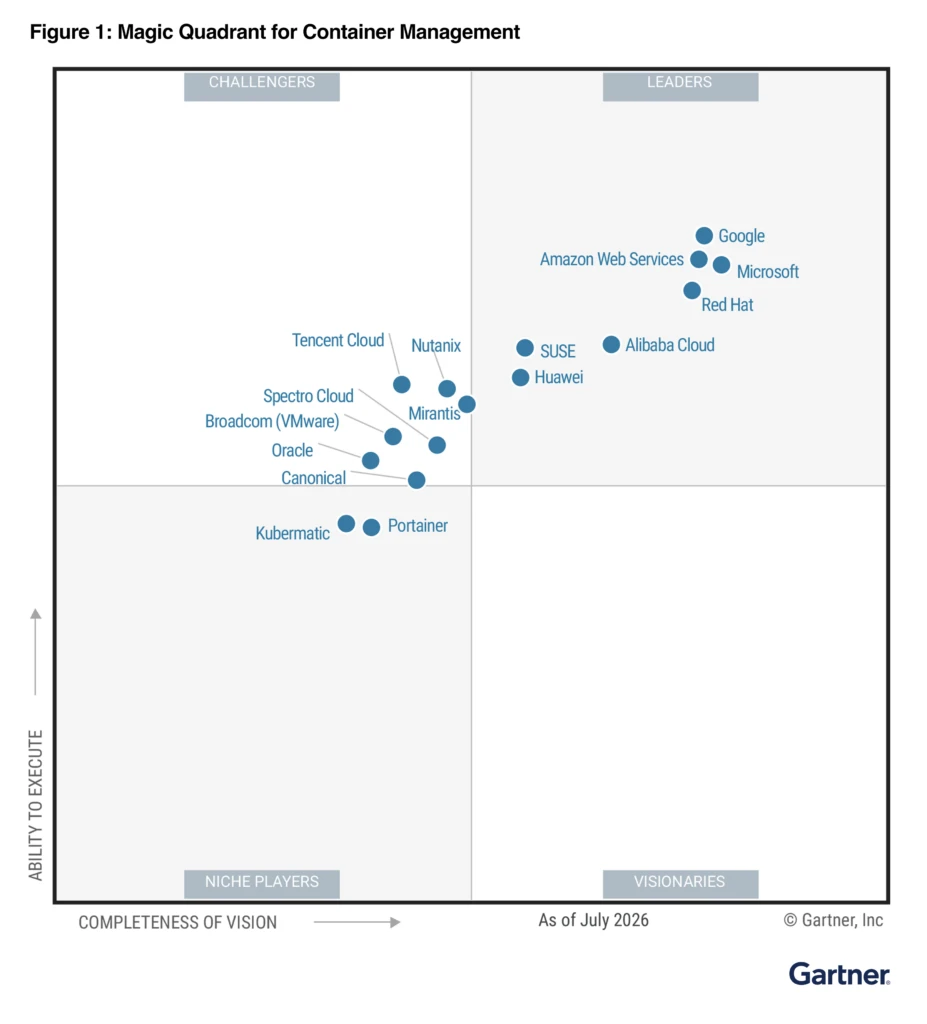
Microsoft named a Leader in the 2026 Gartner® Magic Quadrant™ for Container Management
I am pleased to share that Microsoft has been named a Leader in the 2026 Gartner® Magic Quadrant™ for Container Management, positioned furthest to the right on Completeness of Vision. We believe this recognition reflects our ability to help customers modernize existing applications and embrace AI workloads without adding operational complexity. Furthermore, this recognition com

Beyond the benchmark: How an adaptive approach drives scientific discovery
For research and development (R&D) organizations, the promise of agentic AI is not a better one-time answer. It is a new way to explore complex scientific and engineering problems: pursuing multiple hypotheses, validating them against evidence, learning from what does not work, and adapting their approach as new information becomes available. This unique nature of the agentic d

Two zones or three? A design framework for zone-resilient Azure workloads
Takeaway: Zone resiliency isn’t a single number you apply to a whole workload. The useful question isn’t “how many zones?” but “how many zones does each component need to survive the loss of one?” Decide zone patterns component by component, use service-managed zone redundancy wherever it fits, and reserve three-zone designs for the components that genuinely require a third fai

GPT-6 Astra: Frontier intelligence for work, now generally available in Microsoft Foundry
The next era of enterprise AI will not be defined by chat experiences. It will be defined by how well a model can work for and with you. GPT-6 Astra , OpenAI’s newest frontier model, is now generally available for all customers in Microsoft Foundry . It is designed to help organizations make decisions for complex work and execute across the applications and systems where your b

GPT-6 Astra: Frontier intelligence for work, now generally available in Microsoft Foundry
The next era of enterprise AI will not be defined by chat experiences. It will be defined by how well a model can work for and with you. GPT-6 Astra , OpenAI’s newest frontier model, is now generally available for all customers in Microsoft Foundry . It is designed to help organizations make decisions for complex work and execute across the applications and systems where your b
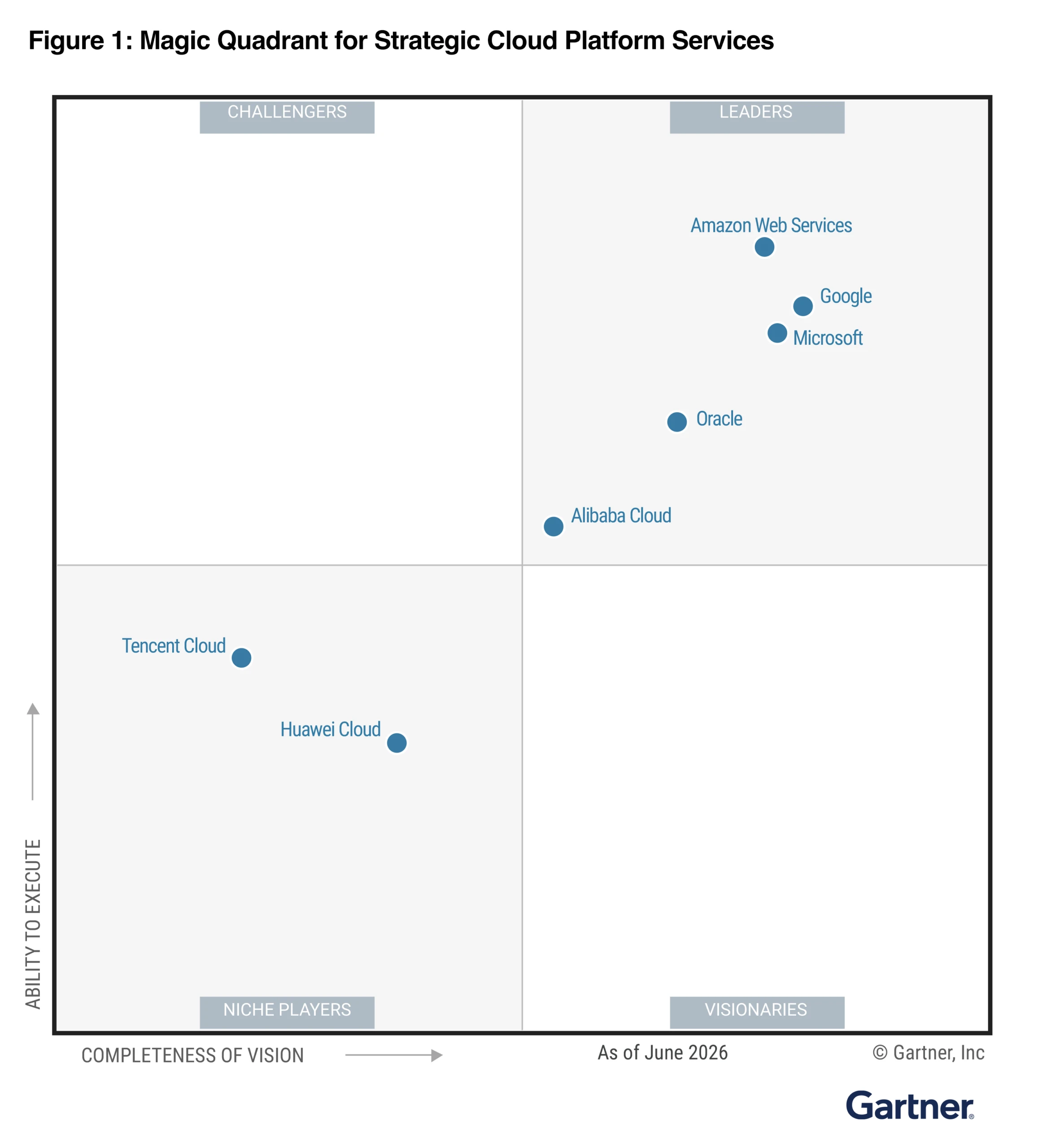
Enterprise AI transformation relies on the end-to-end platform: Azure was built for this moment
Summary The recognition for Microsoft over the past couple of weeks comes down to models, infrastructure, data, applications, and developer tools working as one system when AI moves into production. Enterprise AI is moving into production, and our customers are becoming multi-model. Organizations will use frontier models where capability matters, and smaller, specialized, and o
The Economics of Agent Optimization: Context engineering for enterprise AI agents
This blog post is the third of a four-part series called The Economics of Agent Optimization , which shares the strategies, capabilities, and proof points to help you optimize agent costs and run AI as a managed investment system on Microsoft Foundry. The first post set out the three decisions that systems rest on. The second post took the request at runtime. This post takes th

Inside Microsoft’s marketing team: Scaling expertise with AI
Business leaders are facing a familiar challenge at an unfamiliar scale. Every organization is being asked to move faster as markets change quickly, customer expectations continue to rise, and technology advances at a pace that can feel overwhelming. Teams are expected to deliver greater results, often with the same resources they had before. AI is helping organizations meet th

Introducing Azure Multicloud Interconnect for AWS
As organizations accelerate AI adoption and modernize their digital estates, applications, data, and infrastructure increasingly span multiple cloud environments. Customers are choosing the best platform for each workload, leveraging unique capabilities across providers to drive innovation, resilience, and business agility. Yet while multicloud strategies have become commonplac

The Economics of Agent Optimization: Four ways to lower the cost
This blog post is the second of a four-part series called The Economics of Agent Optimization which shares the strategies, capabilities, and proof points to help you optimize agent costs and run AI as a managed investment system on Microsoft Foundry. The first post set out the three decisions that system rests on: optimize each request at runtime, optimize each workflow over ti
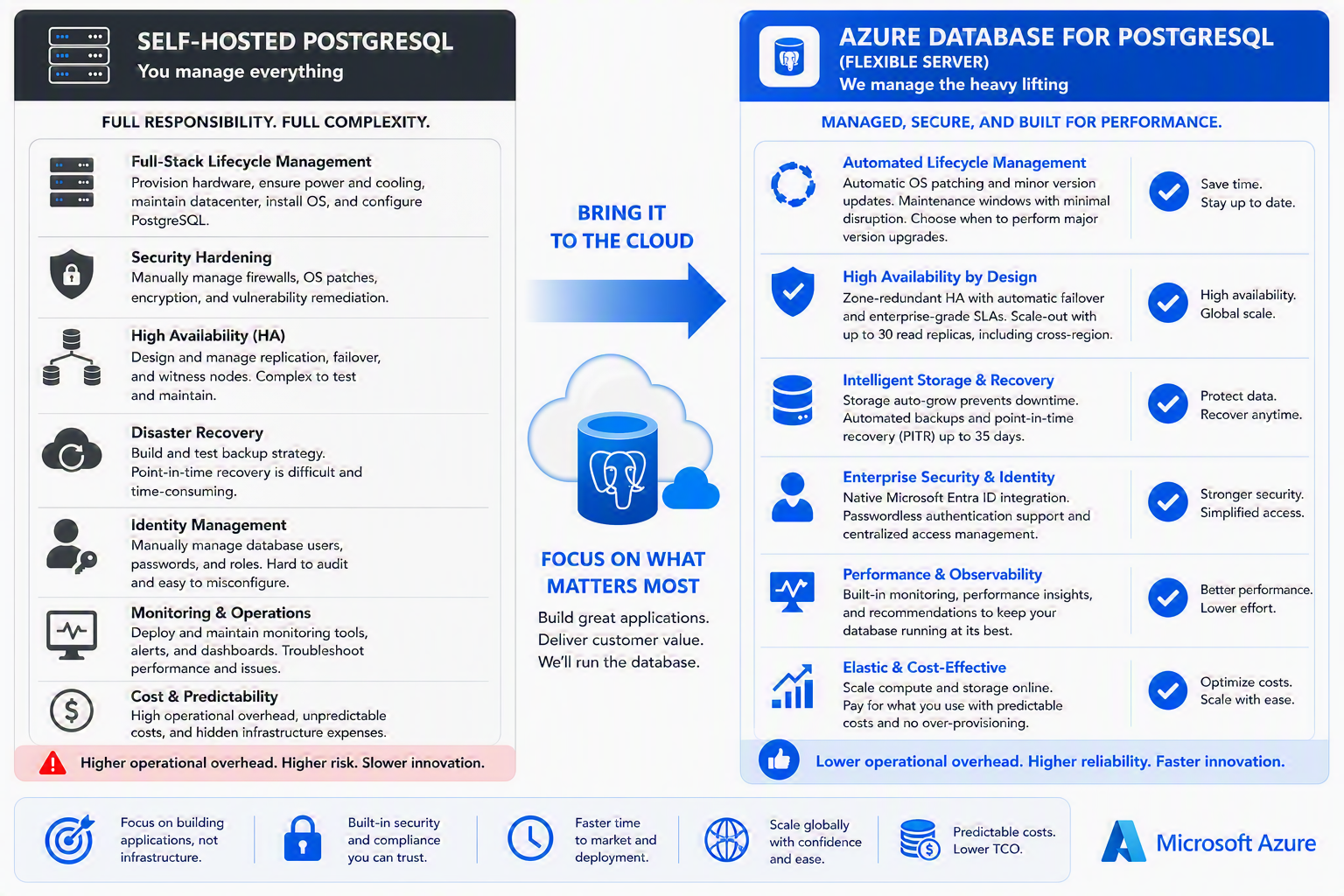
Managed PostgreSQL vs. self-hosted PostgreSQL: Key benefits and trade-offs
Summary This post is for technical decision makers evaluating where to run production PostgreSQL workloads. It compares two valid operating models—self-managed PostgreSQL and a managed database service—through business and operational outcomes: control, engineering capacity, resilience, security, cost predictability, risk tolerance, and access to specialist expertise. The right
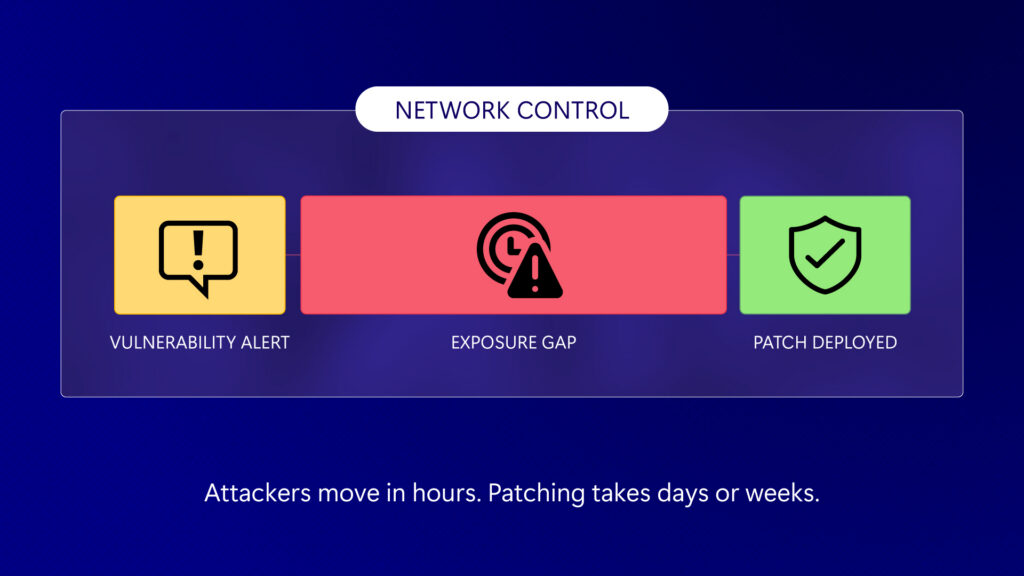
The patch window is collapsing: Why security needs a new control plane
For decades, cybersecurity defenders have relied on a relatively straightforward model: a vulnerability is disclosed, security teams assess exposure, test available fixes, deploy patches into production, and ultimately close the risk before attackers can exploit it at scale. That model increasingly reflects a world that no longer exists. Today’s enterprises operate thousands of
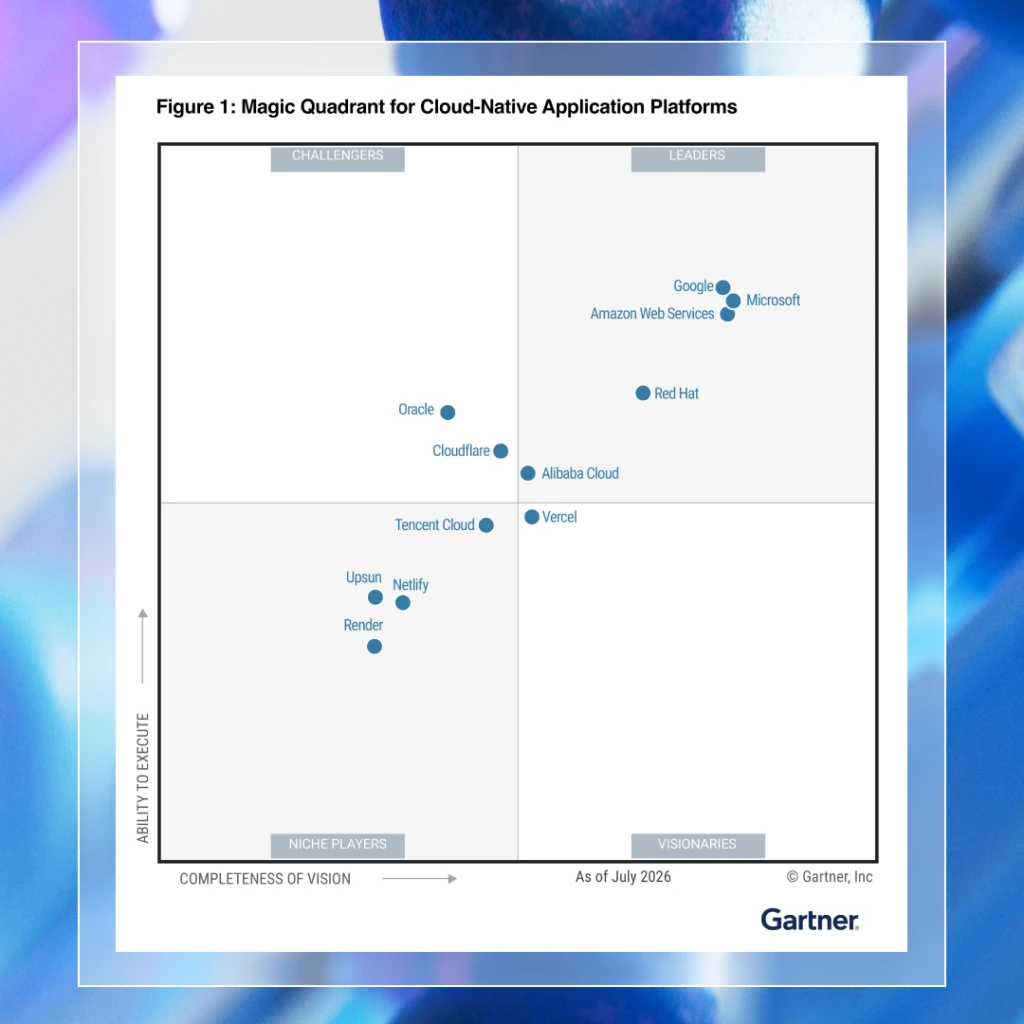
Microsoft named a Leader in the 2026 Gartner® Magic Quadrant™ for Cloud-Native Application Platforms
Microsoft has been named a Leader in the 2026 Gartner® Magic Quadrant™ for Cloud-Native Application Platforms , which we believe recognizes the platforms organizations rely on to build, deploy, and operate cloud-native applications at scale. This is our third consecutive year positioned as a Leader in this report. Read the report We are proud of this recognition. More important
 AI
AIThe Economics of Agent Optimization: From pilots to measurable returns
Microsoft is positioning AI cost management as a critical enterprise discipline, moving beyond pilot projects to systematic financial optimization. The company advocates treating AI as a 'managed investment system' with comprehensive FinOps capabilities across its Foundry platform, enabling organizations to optimize costs at the request level, agent workflow level, and governance level. With 71% o
 AI
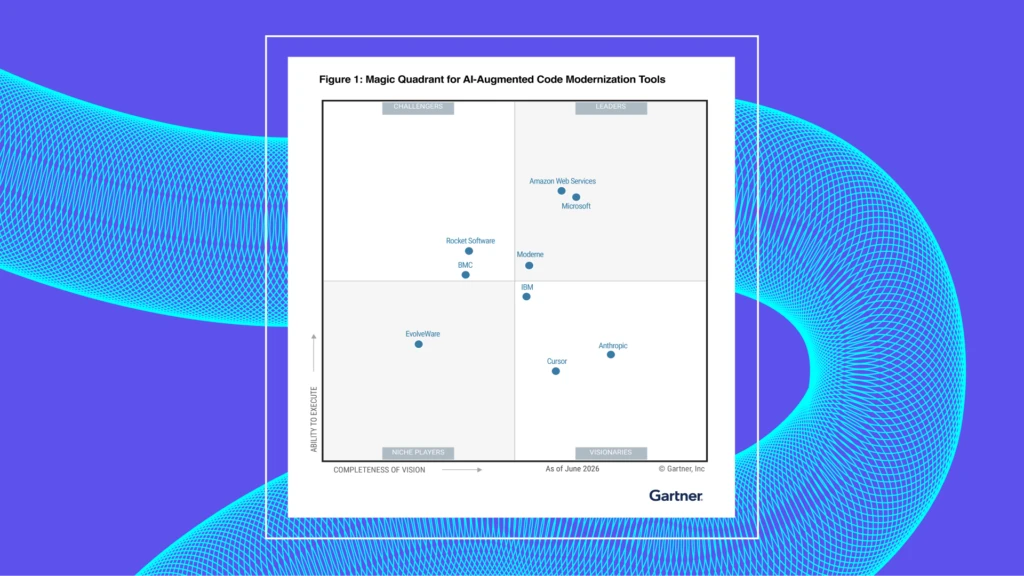
AIMicrosoft named a Leader in the 2026 Gartner® Magic Quadrant™ for AI-Augmented Code Modernization Tools
Microsoft has been recognized as a Leader in the inaugural 2026 Gartner Magic Quadrant for AI-Augmented Code Modernization Tools, reflecting its GitHub Copilot-powered approach to accelerating legacy system transformation. The company's agentic AI solution addresses the longstanding challenge of modernization economics by reducing multi-year programs to weeks or days, while maintaining enterprise-
 AI
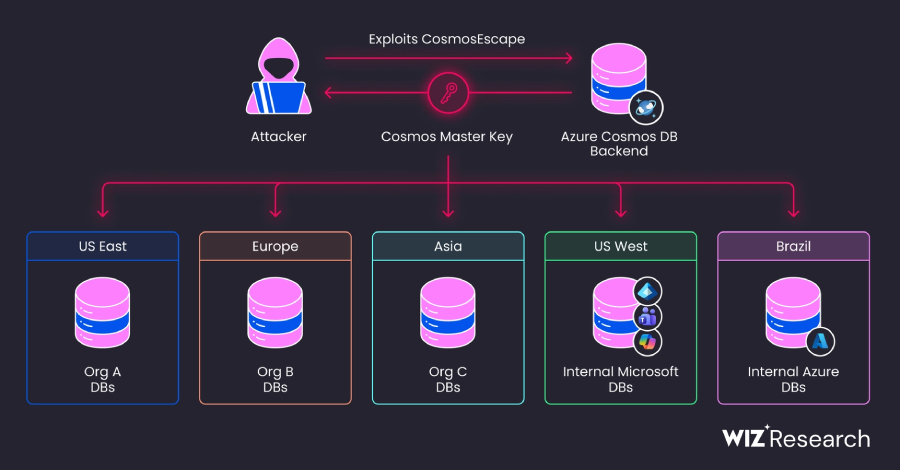
AIAzure Cosmos DB Flaw Exposed Platform-Wide Key That Could Access Any Database
A critical vulnerability in Azure Cosmos DB, dubbed CosmosEscape by Wiz researchers, could have allowed attackers to escape the Gremlin query sandbox and gain unauthorized read/write access to databases across all customer tenants. The exploit chain began with a specially crafted query against an attacker-controlled Gremlin database, leading to code execution that could compromise the entire platf
 AI
AIWhat customers value most in Microsoft Databases—from reliability to AI readiness
Microsoft Databases received multiple 2026 PeerSpot Customer Choice/Tech Leader recognitions across SQL Server, Azure SQL Database, Azure Database for PostgreSQL, and Azure Cosmos DB. Customer feedback consistently highlights five key themes: reliability, scalability, operational simplicity, developer productivity, and AI readiness. These recognitions validate Microsoft's database portfolio as ent
AT&T and Microsoft scale trillion-token workloads with Microsoft Foundry and AMD
First-of-its-kind telecom AI deployment Telecommunications organizations are increasingly looking to AI to help teams navigate highly specialized domains, but generic models often lack the industry-specific knowledge needed to understand telecom networks, standards, and operations. To address that gap, AT&T created their Open Telco (OTel) models, the next generation of telecom-