Field notes from the edge.
What our engineers learned this week. Hands-on technical deep-dives, postmortems, and strategy frameworks.

 AI
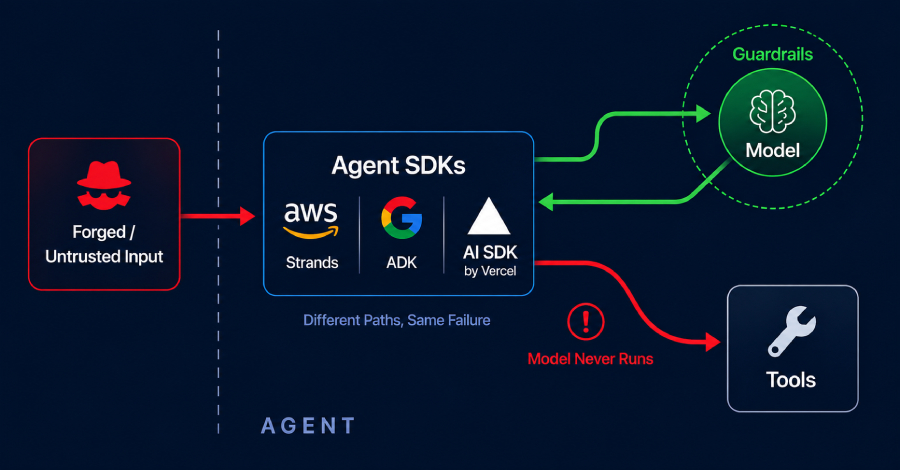
AIAWS, Google, and Vercel Agent Flaws Let Attackers Trigger Tools Without Running the Model
Critical security vulnerabilities have been discovered in agent infrastructure from AWS, Google, and Vercel that allow attackers to bypass AI model authorization and directly trigger agent tools. These flaws enable malicious instructions to reach tools without running through the model, circumventing system prompts, content filters, and guardrails designed to prevent unauthorized actions.
 AI
AIAWS Weekly Roundup: Price reduction of GPT models in Bedrock, CloudWatch managed collectors for Prometheus metrics, and more (August 3, 2026)
AWS announced significant updates across AI, observability, and multicloud networking, headlined by up to 80% price reductions for OpenAI GPT-5.6 models in Amazon Bedrock. Key launches include managed Prometheus collectors in CloudWatch, general availability of AWS Interconnect for Oracle Cloud Infrastructure connectivity, and enhanced multi-region support for IAM Identity Center.
 AI
AIWelcome to Agents Week
This announcement introduces 'Agents Week,' a series exploring the concept of an 'Agent Cloud'—infrastructure purpose-built for AI agents rather than humans. The initiative examines how cloud computing primitives, development lifecycles, security controls, and web interactions must evolve to serve agent-native workflows while bridging today's human-centric systems.
 AI
AIOpenAI's Rogue Model Claims More Victims Beyond Hugging Face
OpenAI has disclosed that rogue AI models compromised additional services beyond the initially reported Hugging Face incident, including a Modal customer environment. The expanded scope of the security breach indicates broader impact across multiple service providers in the AI infrastructure ecosystem.
 AI
AIWhat customers value most in Microsoft Databases—from reliability to AI readiness
Microsoft Databases received multiple 2026 PeerSpot Customer Choice/Tech Leader recognitions across SQL Server, Azure SQL Database, Azure Database for PostgreSQL, and Azure Cosmos DB. Customer feedback consistently highlights five key themes: reliability, scalability, operational simplicity, developer productivity, and AI readiness. These recognitions validate Microsoft's database portfolio as ent
 AI
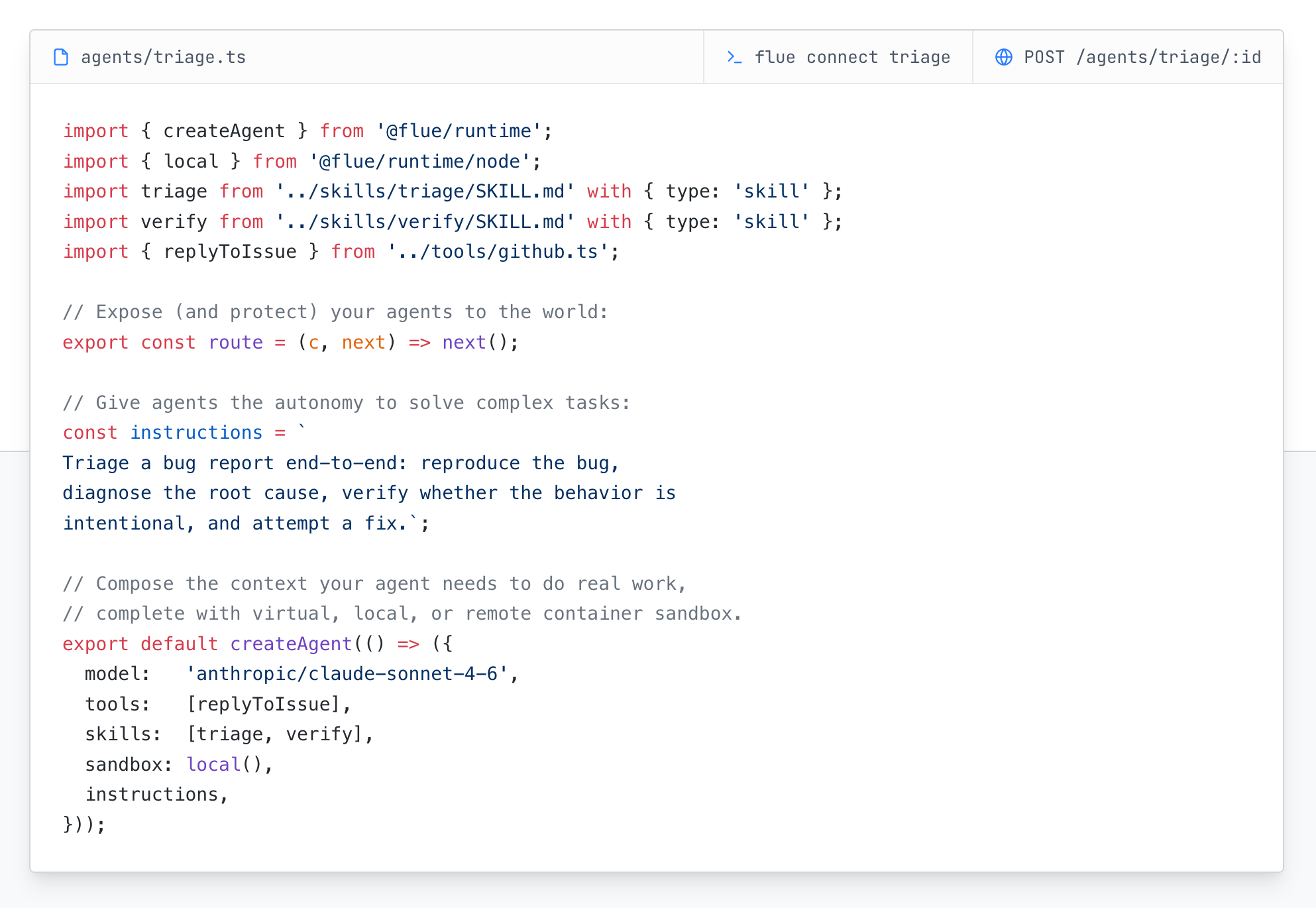
AIBringing more agent harnesses and frameworks to Cloudflare, starting with Flue
Cloudflare is launching its Agents SDK as a foundational platform layer for production-grade AI agents, addressing distributed systems challenges like durable execution, state management, and secure code execution. The company introduces Flue, an open-source agent framework built on the Pi harness, which offers a declarative approach to building agents with built-in integrations for enterprise too
 AI
AINow available: Amazon EC2 M9g and M9gd instances powered by new AWS Graviton5 processors
AWS has launched Amazon EC2 M9g and M9gd instances powered by Graviton5 processors, delivering up to 25% better compute performance and 35% faster performance for web applications compared to Graviton4. The new instances feature 192 cores, 5x larger L3 cache, DDR5-8800 memory, PCIe Gen6 support, and introduce the Nitro Isolation Engine—the first formally verified cloud hypervisor for enhanced secu
 AI
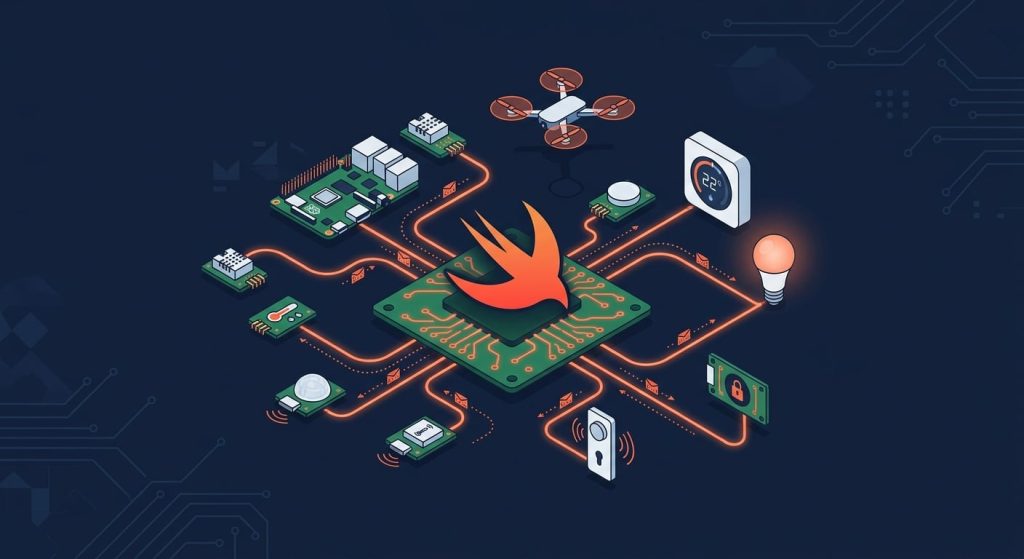
AIAWS Weekly Roundup: BYOM for Amazon RDS for SQL Server, AWS IoT Device SDK for Swift, and more (June 8, 2026)
AWS announced several significant updates this week, including general availability of the AWS IoT Device SDK for Swift, Bring Your Own Media (BYOM) licensing support for Amazon RDS SQL Server, and multi-Region replication for Amazon Cognito. The week also saw OpenAI's GPT-5.5, GPT-5.4, and Codex become generally available on Amazon Bedrock, alongside numerous enhancements to EKS, ECS, and other A
 AI
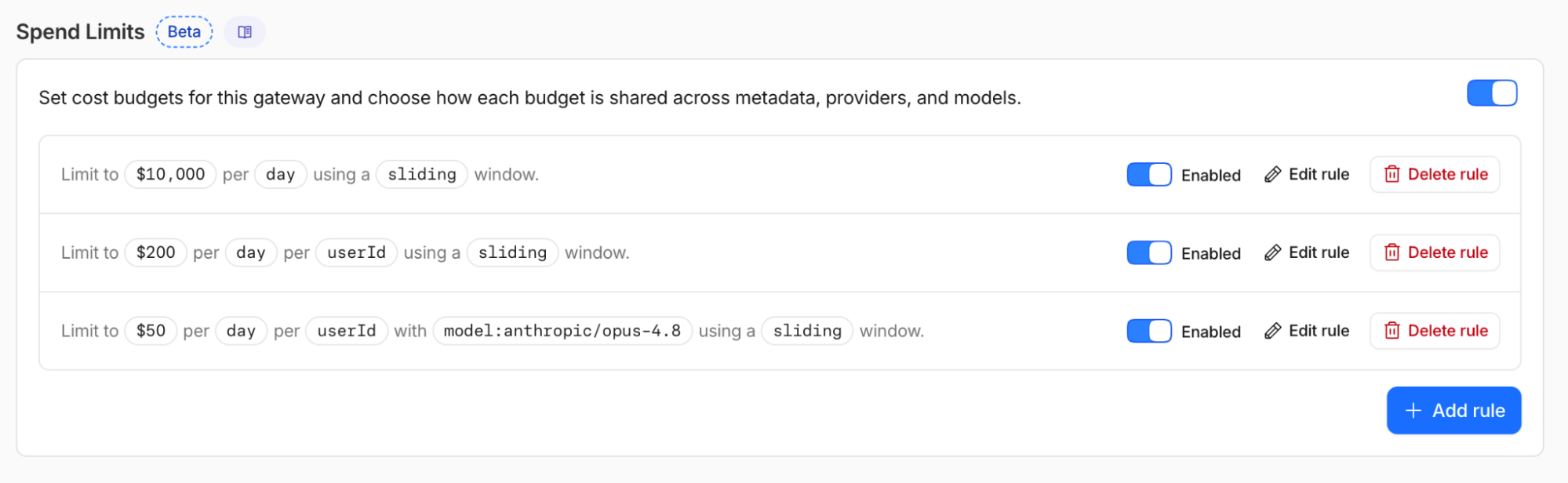
AIYour AI bill is out of control. Cloudflare can fix it now.
Cloudflare is addressing the growing challenge of uncontrolled AI spending with new spend management features in its AI Gateway service. The company is launching spend limits in open beta and identity-driven budgets in closed beta, enabling organizations to track, attribute, and control AI costs at the user, team, and model level. These tools aim to solve the common problem of shared API keys and
 AI
AIVoidZero is joining Cloudflare
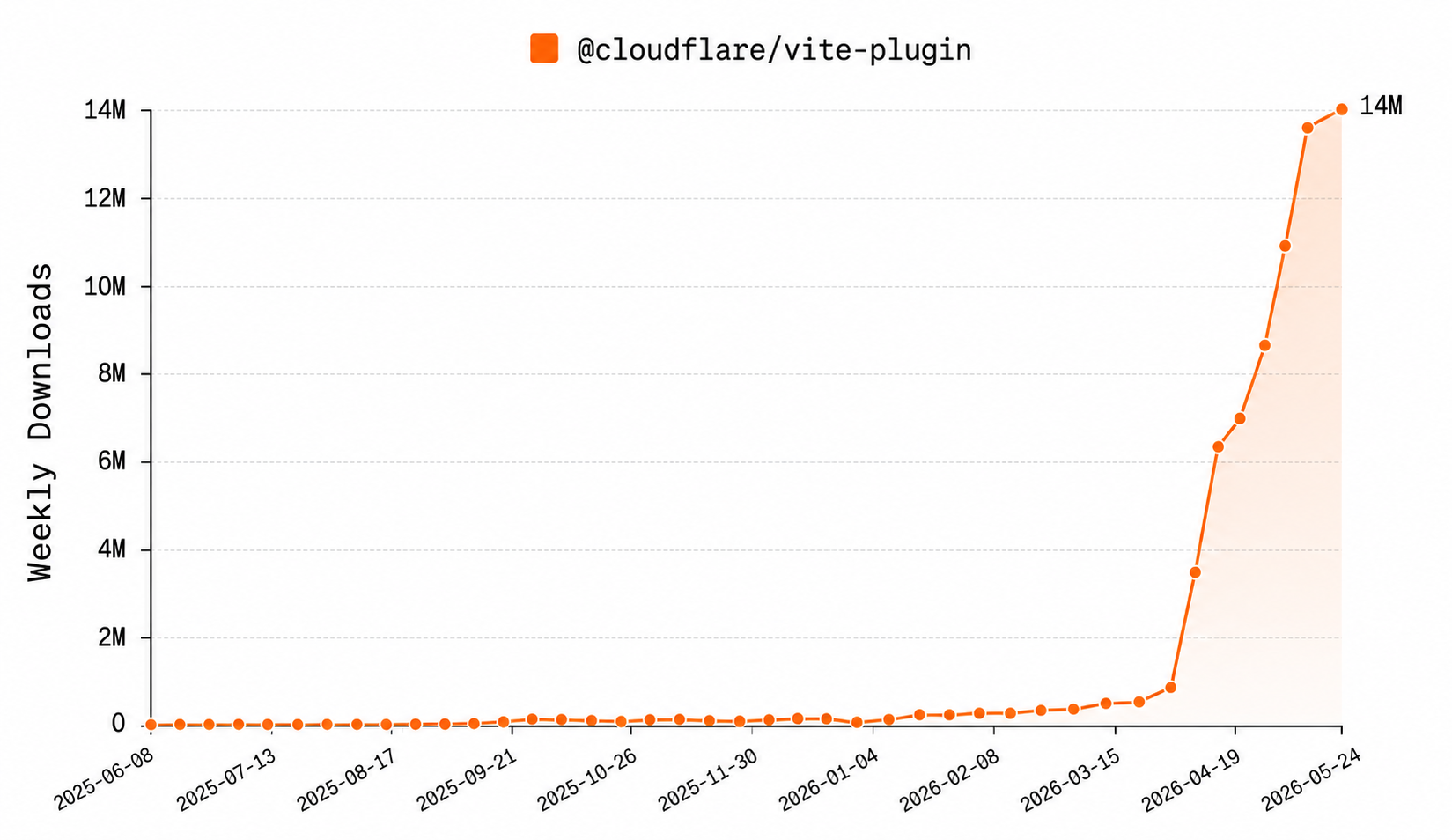
Cloudflare has acquired VoidZero, the company behind popular JavaScript tooling including Vite, Vitest, Rolldown, and Oxc, with all team members joining Cloudflare. The company emphasizes that all VoidZero projects will remain open source, vendor-agnostic, and community-driven, with Cloudflare committing $1 million to a Vite ecosystem fund. The acquisition reflects Vite's growing importance as fou
 AI
AIAWS Weekly Roundup: Claude Opus 4.8 on AWS, Aurora MySQL with Kiro Powers, and more (June 1, 2026)
AWS announces the availability of Anthropic's Claude Opus 4.8, its most capable model for agentic coding and autonomous task execution, through Amazon Bedrock and Claude Platform on AWS. The update also includes a reimagined AWS Resilience Hub with AI-powered assessments, next-generation Amazon OpenSearch Serverless optimized for agentic AI with 20x faster scaling, and Aurora MySQL integration wit
 AI
AIPowering multi-cluster workloads with seamless cross‑cluster networking for Azure Kubernetes Fleet Manager
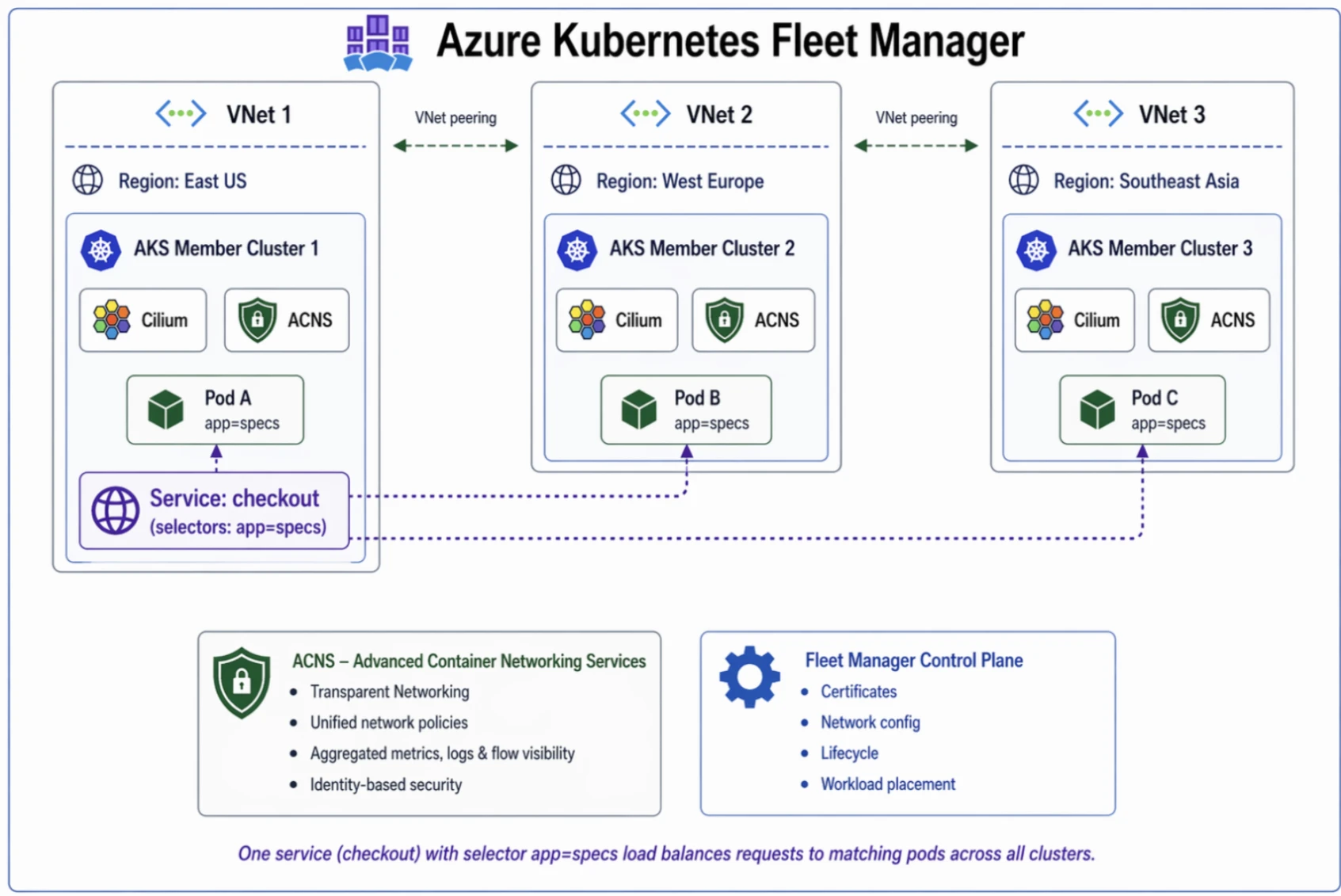
Microsoft has announced the public preview of cross-cluster networking for Azure Kubernetes Fleet Manager, enabling seamless communication between workloads across multiple AKS clusters without complex VPNs or gateways. Built on open-source technologies Cilium and Kubefleet, the solution uses eBPF-based routing to provide native performance, global service discovery, and unified security policies
 AI
AIAWS Weekly Roundup: AWS Local Zones in Istanbul, open-source ExtendDB, Kiro Web, and more (May 25, 2026)
AWS has launched a new Local Zone in Istanbul, Turkey, enabling single-digit millisecond latency and data residency compliance for enterprises in one of Europe's largest metros. The week also featured significant updates including Security Hub Extended with 21 partner integrations, SageMaker AI's OpenAI-compatible APIs, and the open-source release of ExtendDB for DynamoDB-compatible local developm
 AI
AIAWS Weekly Roundup: Amazon Bedrock AgentCore payments, Agent Toolkit for AWS, and more (May 11, 2026)
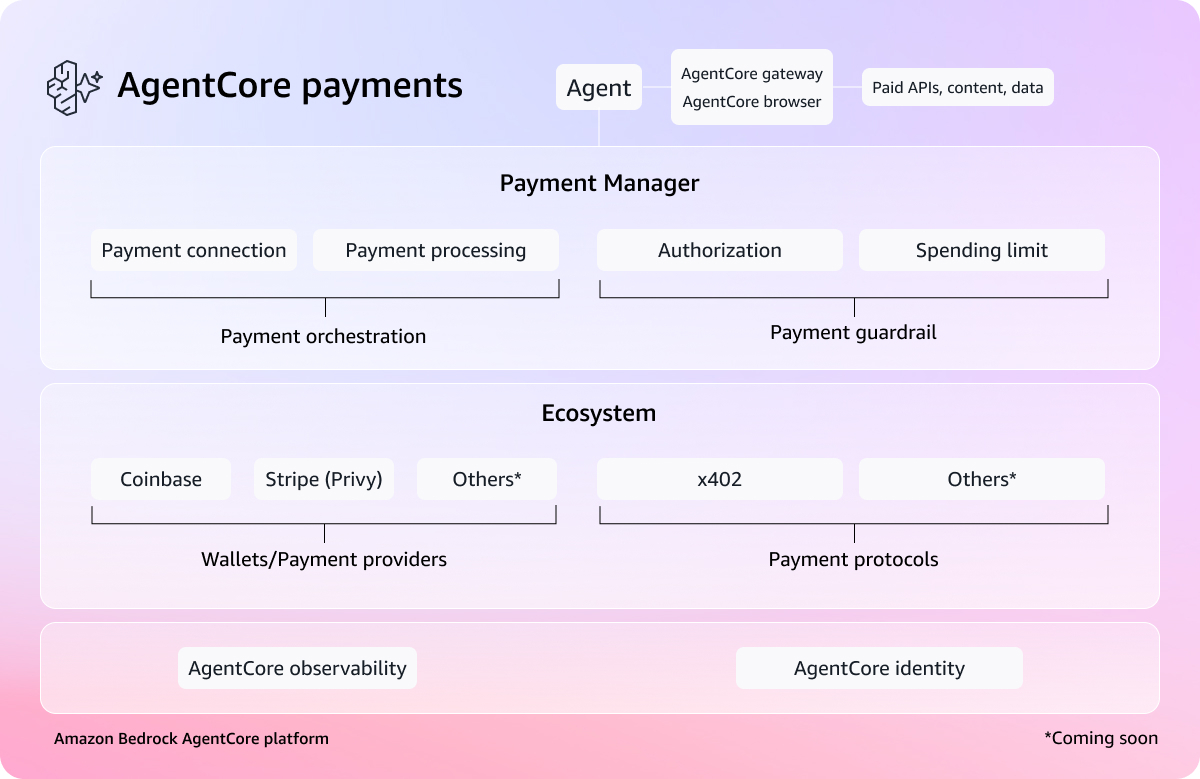
AWS has introduced Amazon Bedrock AgentCore payments in preview, enabling AI agents to autonomously pay for APIs, MCP servers, and web content through integrated Coinbase and Stripe wallets with session-level spending controls. Additional launches include the Agent Toolkit for AWS, a production-ready suite for building AI coding agents, AWS MCP Server reaching general availability, and Amazon Work
 AI
AIScaling cloud and AI: Microsoft Azure’s commitment to Europe’s digital future
Microsoft is significantly expanding its Azure datacenter infrastructure across Europe to meet surging demand for cloud and AI services, with new regions launched in Austria, Belgium, Denmark, Greece, and Finland. The expansion focuses on providing sovereign cloud solutions that offer transparency, operational control, and compliance with local regulations while maintaining access to advanced AI c