Field notes from the edge.
What our engineers learned this week. Hands-on technical deep-dives, postmortems, and strategy frameworks.

Saving another 100TB of RAM with math (and Rust)
Cloudflare operates at a scale so big that even after working here for years, it doesn’t seem real. We have thousands of servers all over the world with petabytes of RAM and millions of CPU cores, and all of it is pushed to the max. As vast as those resources feel, they are still finite, and when you need every service to run on every node, it doesn’t leave room for wasted spac

When scanners miss the attack: how Cloudflare Client-Side Security protects storefronts
A modern storefront can look perfectly healthy while malicious JavaScript works underneath: siphoning affiliate revenue, hijacking searches and clicks, tampering with analytics, or asking a remote server what to execute next. Pages load, products appear, and checkout works — yet the browser may be quietly doing something the site owner never authorized. That is the blind spot o
Give every teammate and agent the right level of access to your Workers
As more teams — and now agents — build applications on Cloudflare's Developer Platform, having the right access controls is crucial to allow you to ship safely. After all, the last thing you want is for an agent to make a change in production, just because it was granted more access than it needs. Now, you can give a teammate or agent access to a specific Worker, so that they c
Have it both ways: stay discoverable in search while disallowing AI training
Without proper controls, website owners have long faced a difficult tradeoff: allow your content to be used for AI training, or risk losing discoverability in search. That tradeoff exists because some of the largest organizations on the Internet use mixed-use crawlers: a single crawler serving both search and AI training. Refuse one, and you refuse the other. Today, Cloudflare
Introducing automatic remediation policies with Cloudflare CASB
Today, we’re making Cloudflare CASB more powerful than ever by introducing automatic remediation policies. This means security teams can now design event-driven logic to revoke risky file shares and dispatch custom webhooks, without manual intervention. When we launched Cloudflare CASB , a cloud access security broker, we wanted to provide security teams complete visibility int
1.1.1.1 now supports post-quantum DNSSEC, all 2,420 bytes of it
1.1.1.1 now validates DNSSEC signatures made with ML-DSA-44 , a post-quantum signature algorithm standardized by the National Institute of Standards and Technology (NIST) . This is a first step toward preparing DNSSEC for a future in which today’s signature algorithms are no longer secure. Cloudflare plans to achieve full post-quantum security by 2029 . Much of the work so far

How we rebuilt Cloudflare Workers’ module registry for Node.js compatibility
We’ve rewritten the module registry in workerd , the core open-source component of the Workers runtime, to be faster, more standards-compliant, and more closely aligned with Node.js' module registry. Over the past few years, we’ve been adding support for more and more Node.js runtime APIs. The Workers runtime now supports every stable API from Node.js that you might want to use
Automatic Key Exchange: faster, post-quantum secure origin handshakes for 45 billion daily connections (and counting)
Every time Cloudflare opens a new TLS 1.3 connection to an origin server, we have to make a guess: the protocol requires us to commit to a key agreement algorithm in the very first packet we send, before the origin has told us anything about itself or what it can support. If we guess right, the handshake completes in one round trip. Guess wrong, and the origin replies with a He
Introducing context-aware vulnerability discovery and remediation with Cloudflare Managed Defense and OpenAI Daybreak models
Your scanner just flagged 4,000 new vulnerabilities, 78 of them critical. Which one do you fix first? To answer that question, Cloudflare is announcing early access to Vulnerability Discovery and Remediation, now part of Cloudflare Managed Defense . Vulnerability Discovery and Remediation is a new, invitation-only Cloudflare service that helps customers detect and mitigate vuln
How we could save petabytes of cache storage with Zstandard and Pingora
Memory costs are increasing dramatically. Both RAM and hard disk drive prices have exploded over the past year. At Cloudflare, we run several massively distributed storage products (including our famous CDN) that rely on making efficient use of the memory we have deployed so we can continue to serve all of our customers. With this in mind, we prototyped a way to expand effectiv

Introducing Adaptive Intelligence: undermining the economics of every bot attack
Modern bot threats are increasingly driven by determined, sophisticated attackers. Often it is not even one person, but a group trading techniques with each other or a commercial service sold to anyone willing to pay. For many of them, getting past bot detection is a full-time job they genuinely enjoy. Block them and they get to work, finding a workaround. AI has simplified thi
BotBase for Operators: A clearer path to joining Cloudflare's directory of bots and agents
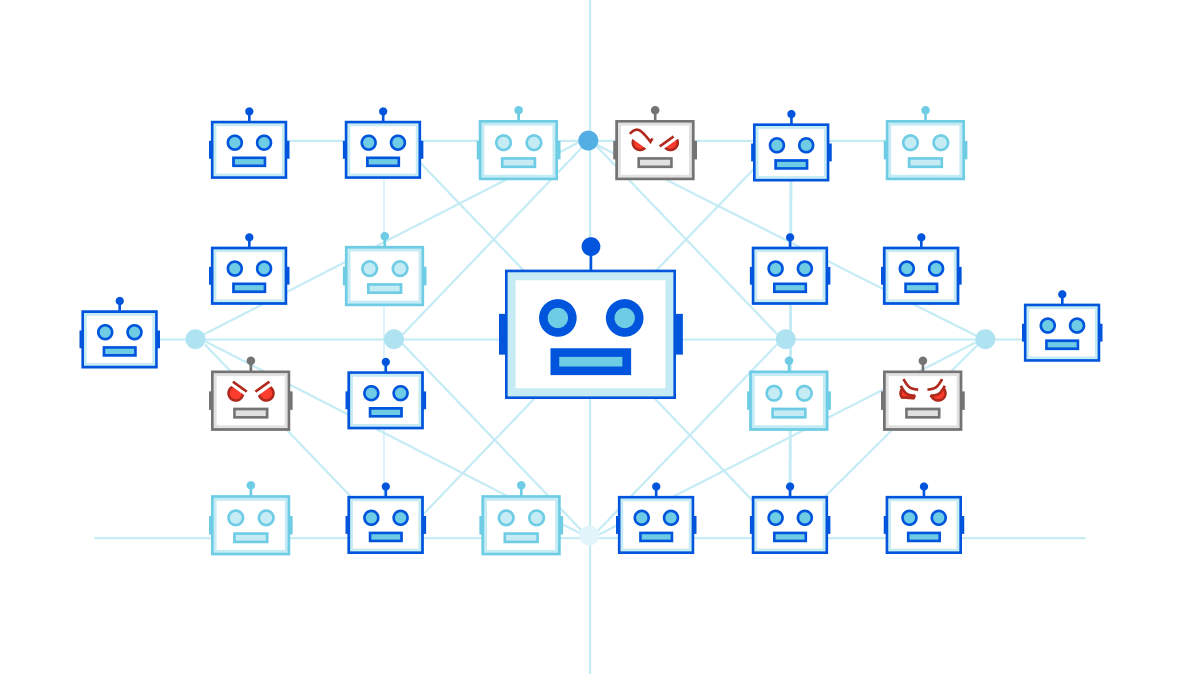
Last month, on our second Content Independence Day, we announced a couple of features designed to give website owners more visibility and control over automated traffic: BotBase added a searchable directory of known bots to the Cloudflare dashboard, while Business Insights helped owners understand how crawlers interact with their content. We know that the ecosystem of bots is v

How we saved 100 terabytes of memory by optimizing 1.1.1.1’s DNS cache
Big Pineapple , the platform behind 1.1.1.1 , Gateway DNS , DNS Firewall , AS112 , and several other Cloudflare DNS services, stores over 250 billion DNS cache entries at any given time. At that scale, wasting a single byte per entry costs more than 250 gigabytes of memory across our fleet. Five successive changes to how cache entries are stored in memory cut the per-entry foot

The Cloudflare Blog – Brought to you by EmDash
You likely noticed the recent redesign of the Cloudflare Blog. We added dark mode, modernized the look and feel, and made a lot of other small improvements along the way. What you might not have noticed – well, except for those who are more terminally online – is that the redesign was part of a much bigger migration project. On Wednesday, August 12, we moved the blog to EmDash

Say it once: introducing Bot Preference SynC
We’re constantly building for the different goals of our customers. Some customers want to optimize for discovery, while others want to protect their content with the strictest security policy. Among these differing policies, there are multiple ways to mitigate bot traffic. Some mechanisms simply state your preference, assuming best intent from crawlers, and other approaches ac
From all-or-nothing to task-based OAuth consent
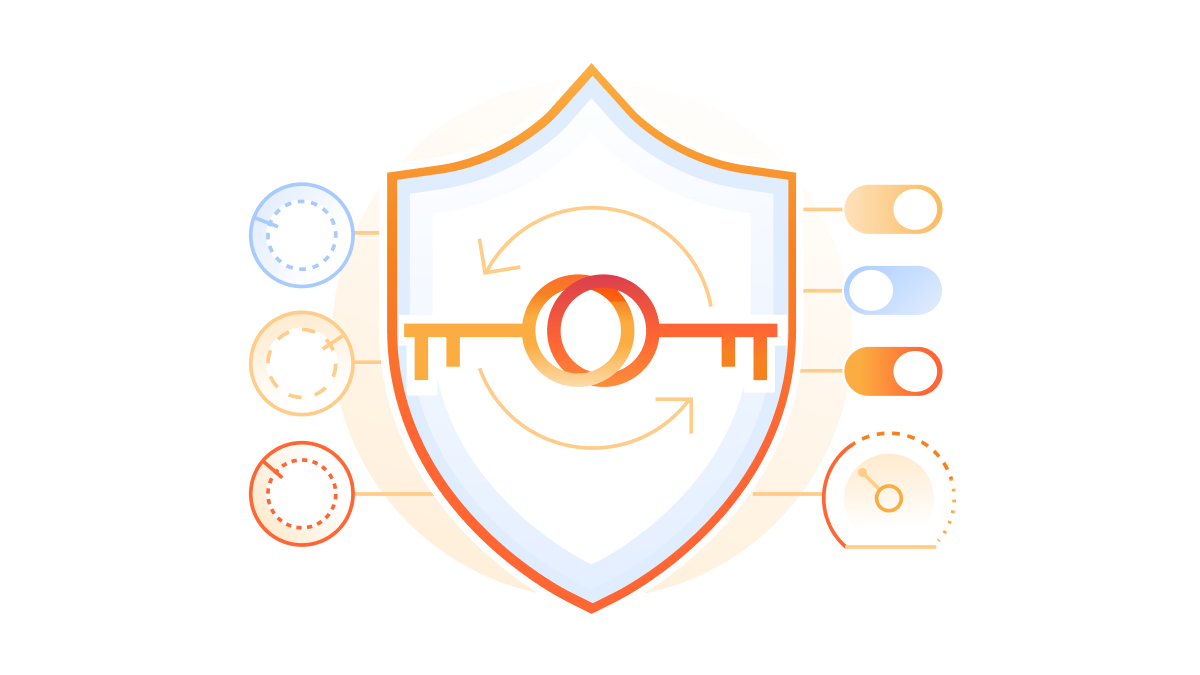
Since June, developers have created thousands of third-party OAuth apps on Cloudflare , with more than a million authorizations since. OAuth makes delegated access possible. It lets applications act on a user’s behalf without asking them to handle long-lived credentials or hand over a password. That model works well when an application can describe its access needs with a small

A revisit of remote Spectre attacks on Cloudflare Workers
In 2021, we assessed remote Spectre attacks against Cloudflare Workers. Based on the results, we shipped a production defense called Dynamic Process Isolation (DyPrIs), which identifies maliciously looking scripts and isolates them into separate processes. Since then, newer techniques in the area of stabilizing Spectre attacks have been discovered. To understand if these techni

BGP Role model: tracking the adoption of RFC 9234
Route leaks push traffic down paths it was never meant to take. We have written and spoken publicly in the past about route leaks in Border Gateway Protocol (BGP) , depicting these events as impactful incidents that cause misdirection of traffic through unintended network paths. BGP routing is driven by the relationships between Autonomous Systems (ASes), i.e., customer-provide
 AI
AIHow Cloudflare detects MCP traffic and helps secure it
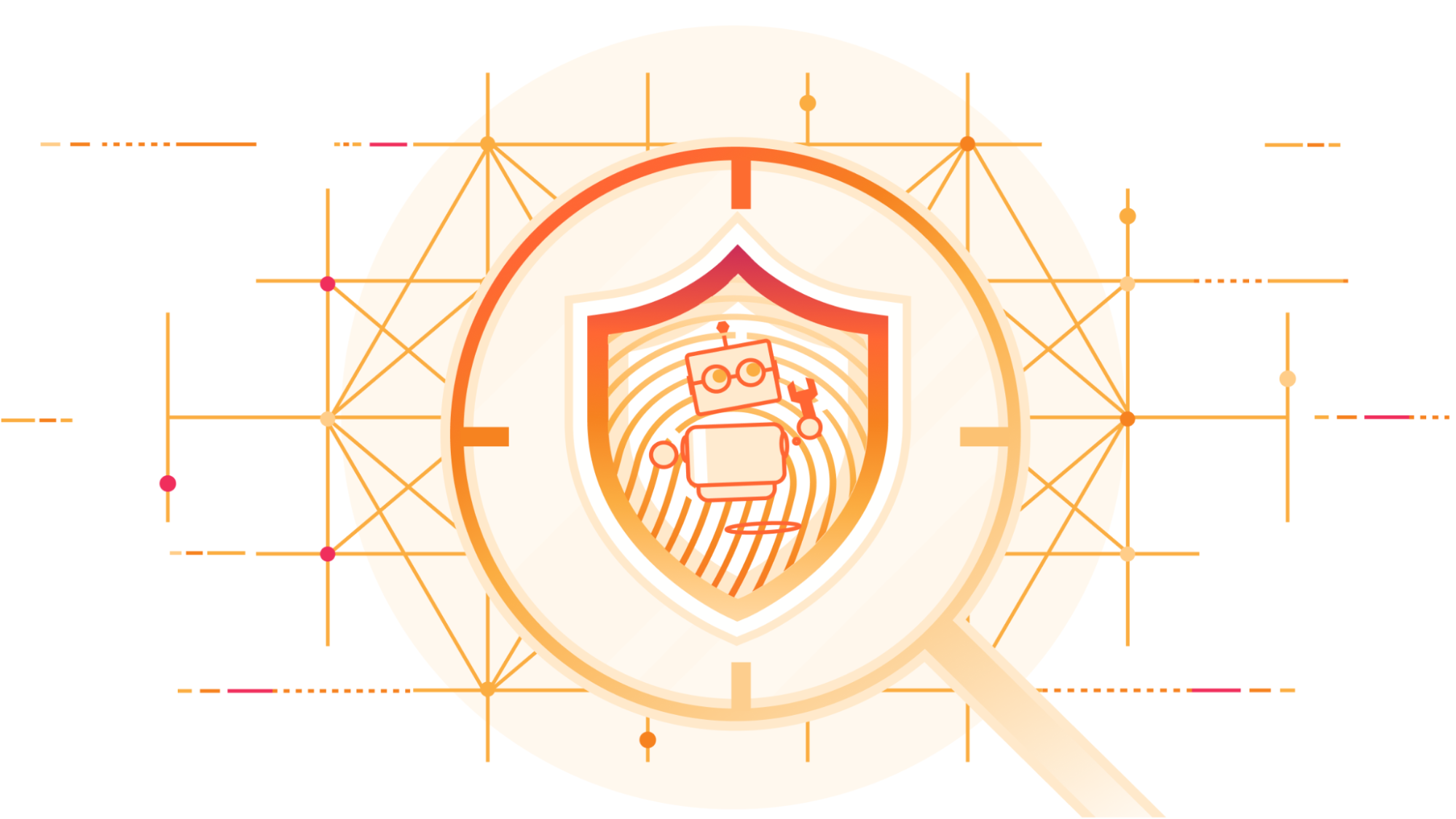
Cloudflare has introduced new capabilities in Cloudflare One to detect and secure Model Context Protocol (MCP) traffic, addressing the unique risks AI agents pose when accessing enterprise resources at machine speed without human judgment constraints. The solution identifies MCP traffic across networks, tracks which users and servers generate it, and enforces controls to ensure agents use approved