Field notes from the edge.
What our engineers learned this week. Hands-on technical deep-dives, postmortems, and strategy frameworks.
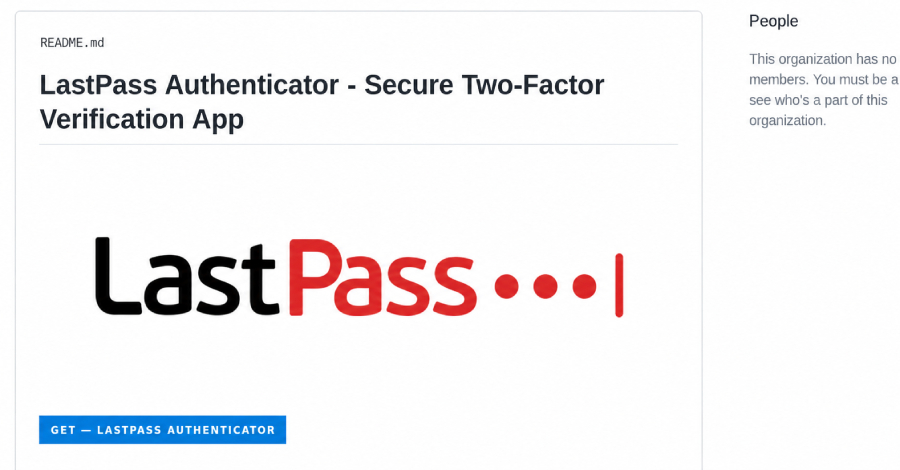
Fake LastPass Authenticator Installer Abuses Microsoft-Signed Driver to Kill Antivirus and EDR
A fake LastPass Authenticator installer offered on GitHub installs a Windows kernel driver that shuts off antivirus and other security software before a password stealer runs if a victim downloads and runs it, researchers at LastPass and Delphos Labs said on September 17. Microsoft's own hardware-compatibility program signs the driver, scored zero detections on VirusTotal when

TASK#STOMP PowerShell Backdoor Steals Documents, Wi-Fi Passwords, and Clipboard Data
Cybersecurity researchers have disclosed details of a new campaign dubbed TASK#STOMP that delivers a PowerShell backdoor designed to harvest sensitive data from compromised hosts. The backdoor "automatically harvests and exfiltrates business documents, watches the filesystem for new files in real time, steals Wi-Fi passwords and clipboard contents, takes screenshots, and accept

⚡ Weekly Recap: Cisco 0-Day, AI Agent RCE, ClickFix Attacks, ClickFix Surge, and Browser Hijacks
A browser. A plugin. A package. A login screen. Normal stuff. That is basically the problem this week. The trouble keeps showing up inside things people already trust: code that takes a bad turn, old payloads coming back, exposed systems, weak checks, fake fixes, and attack paths that look almost too easy. Even the research side is getting messy, with more findings, more automa

ClickFix Lures Deploy ChainScript RAT Using Polygon to Rotate C2 Infrastructure
Threat actors are leveraging ClickFix-like lures to deliver a previously undocumented remote access trojan (RAT) called ChainScript. "ChainScript has appeared under multiple build names, including ComponentTask33, UpdateDigital, HostShared, and OrchidViolet66, while presenting itself as Spotify, Zoom Workplace, and Microsoft Teams software," Blackpoint Adversary Pursuit Group (

Jade Sleet Linked to Indian IT Provider Breach With FLATROOF and ROOFDECK Backdoors
The North Korean threat actor known as Jade Sleet has been attributed to the compromise of an India-based "much smaller organization" in the information technology (IT) services industry, once again highlighting how the adversary continues to target developers to breach target networks. Cybersecurity company SentinelOne, which disclosed details of the activity, said it involved

Identity Visibility in 2026: The Foundation of Identity Security
Identity visibility is a starting point for modern identity security, because stolen and misused credentials are among the most frequently reported initial access vectors in breach research, including Verizon's annual Data Breach Investigations Report. This article explains what identity visibility means in IAM, why cloud and multicloud environments complicate it, which capabil

SolarWinds Patches ARM Hard-Coded Key Flaw Enabling Unauthenticated RCE
SolarWinds has released security updates to address a high-severity flaw in Access Rights Manager (ARM) that, if successfully exploited, could lead to an unauthenticated remote code execution vulnerability. The vulnerability, tracked as CVE-2026-28326, is rated 8.8 out of 10.0 on the CVSS scoring system. The issue affects all versions of Access Rights Manager 2026.2 and prior.
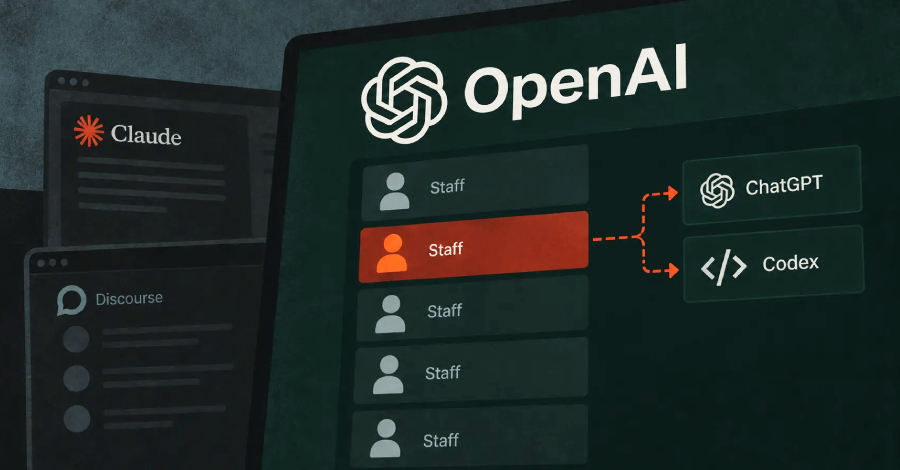
Claude Opus 5 Helped Researchers Take Over OpenAI Staff Accounts via Chained Flaws
Three researchers at the security firm Hacktron used Anthropic's Claude Opus 5 to chain two flaws and take over the ChatGPT and Codex accounts of several OpenAI employees, then reach an internal OpenAI code repository. The chain began with a bug in the software that runs OpenAI's public help forum and moved through a weakness in OpenAI's own login system. This was security rese

Google Gemini Broke Into Real Company Systems After Security Test Domain Mix-Up
Google's Gemini model has become the latest artificial intelligence (AI) system to access the internet and break into other companies during a cybersecurity evaluation. The development was first reported by The Wall Street Journal. The incidents occurred in May 2026 as part of a test run conducted by Israeli company Irregular. The evaluation partner was also involved in similar

Critical Pre-Auth RCE in Orkes Conductor Workflow Platform Exploited in the Wild
A critical vulnerability impacting Orkes Conductor is being actively exploited in the wild, according to Fortinet. The vulnerability in question is CVE-2026-58138 (CVSS v3.1 score: 9.8/CVSS v4 score: 9.3), which relates to a case of unauthenticated remote code execution. "Orkes Conductor 3.21.21 before 3.30.2 contains an unauthenticated remote code execution vulnerability that

CrowdSec Says TanStack npm Attack Led to Copy of 170 Private GitHub Repositories
An attacker copied about 170 of CrowdSec's private GitHub repositories on May 22 using the account of an employee who had just left, CrowdSec said on September 18. The French security company had kept his GitHub access open. CrowdSec says his laptop was compromised in May's supply chain attack on TanStack, in which malicious versions of TanStack's npm packages stole credentials

CISA Flags Three Linux Kernel Vulnerabilities Exploited in the Wild
The U.S. Cybersecurity and Infrastructure Security Agency (CISA) on Friday added three security flaws impacting the Linux kernel to its Known Exploited Vulnerabilities (KEV) catalog, citing evidence of active exploitation. The vulnerabilities are listed below - CVE-2025-39682 (CVSS score: 9.8) - An improper check for unusual or exceptional conditions vulnerability in the TLS re
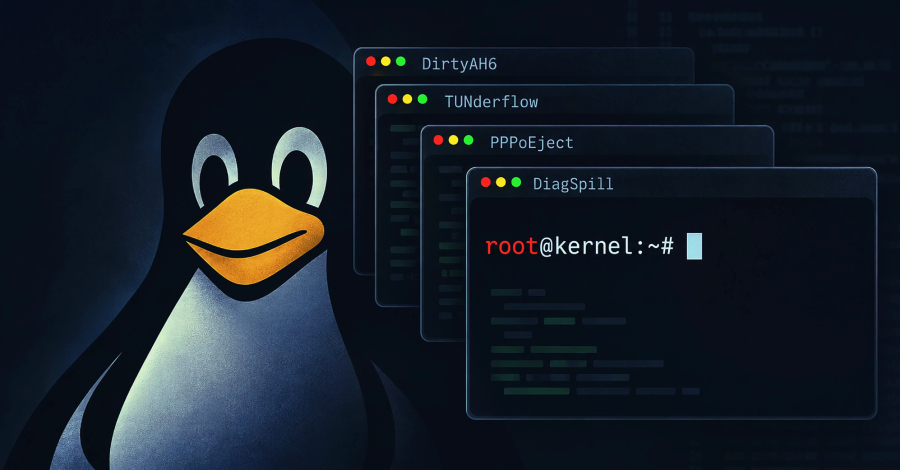
Public Exploits Released for Four Linux Kernel Flaws That Enable Local Root
A security researcher has released working exploit code for four Linux kernel flaws that each let a local user gain root, the highest level of access on a machine. Kernel maintainers have fixed all four over the past few weeks, so a system running an up-to-date kernel is not affected. But the exploit code is now public, and any machine still running an older kernel should be up
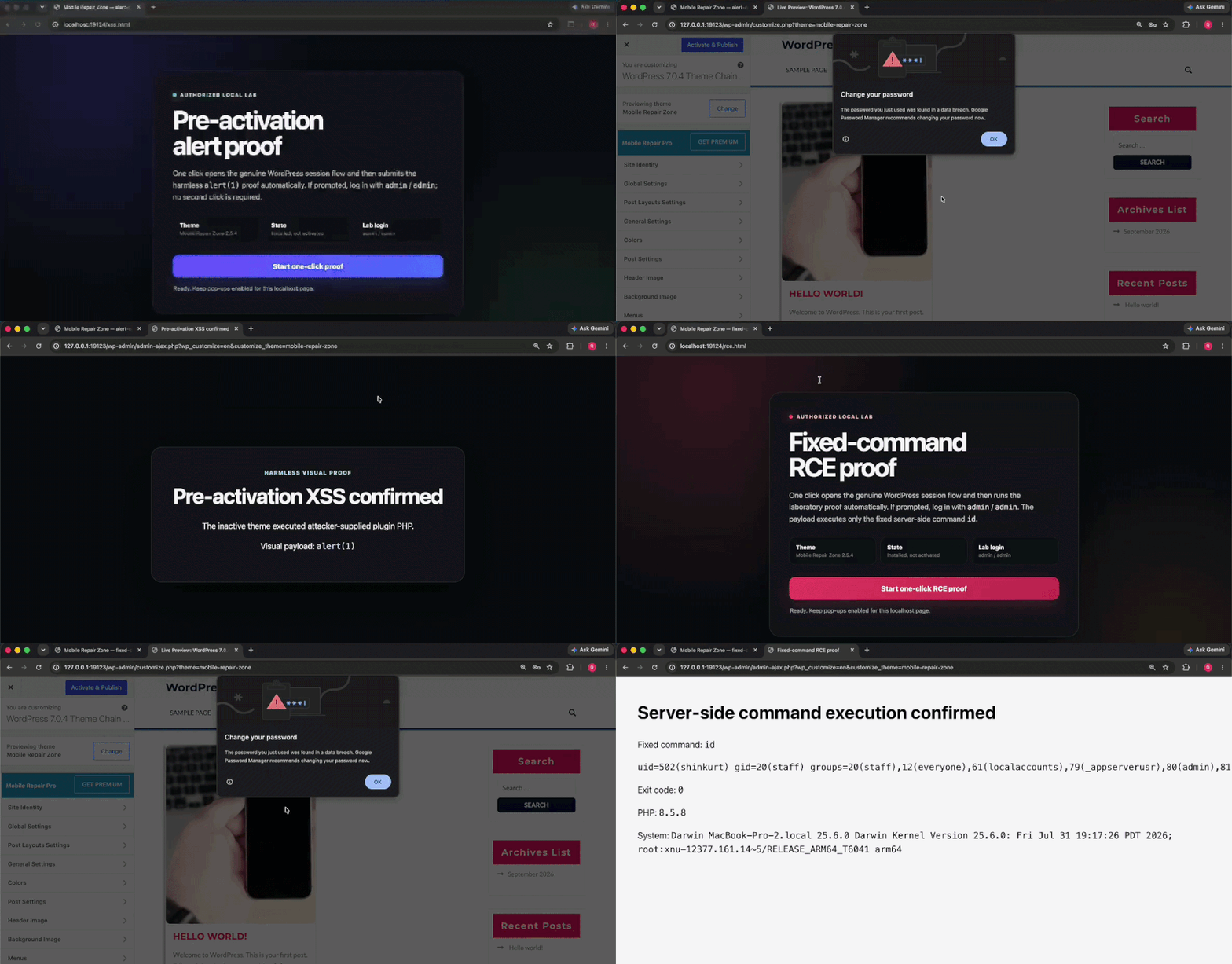
New WordPress Click2Shell Flaw Forces Theme Installs, Can Chain to Code Execution
WordPress today released patches to fix a new set of vulnerabilities in its core software, one of which could allow a crafted web link, opened by a logged-in administrator, to install a theme from the official WordPress.org directory without anyone clicking Install. The security firm pwn.ai, whose researchers reported the flaw, calls the attack chain Click2Shell. On its own the

Transparent Tribe Deploys New Rust Backdoor Using Private GitHub Repositories for C2
The Pakistan-aligned threat group tracked as Transparent Tribe (aka APT36 and Earth Karkaddan) has been attributed to a fresh set of cyber attacks targeting government and defense entities in India and Afghanistan. The attacks, per Zscaler ThreatLabz, involve the use of previously undocumented tools called RUSTYSHADE, RUSTYMOVE, PSNATCH, and BASHNATCH. The activity has been cod
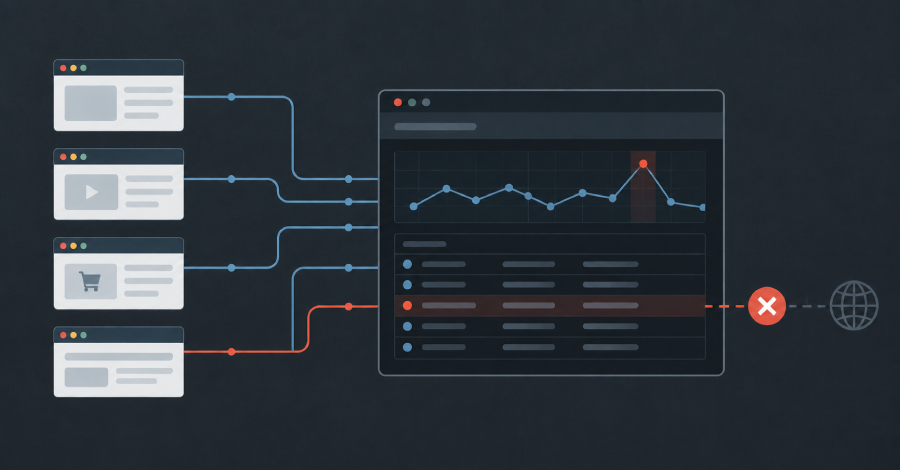
An Abandoned CDN Domain Was Re-Registered. Thousands of Sites Still Call It.
In July 2025, someone registered a domain that used to belong to a content delivery network. The CDN had been wound down years earlier, and the domain it served assets from was allowed to expire. What it had not lost were its callers. Thousands of websites, code repositories, and documentation pages still carry hard-coded references to hostnames beneath it. The new owner holds

Microsoft Patches CVSS 10.0 Azure AI Foundry Flaw Enabling Unauthorized Privilege Escalation
Microsoft has released fixes for a maximum-severity security flaw in Azure AI Foundry that could be exploited to achieve privilege escalation. No customer action is required. The vulnerability, tracked as CVE-2026-85889, carries a CVSS score of 10.0. "Missing authentication for critical function in Azure AI Foundry allows an unauthorized attacker to elevate privileges over a ne

WeaselBiscuit Stealer Spreads via 13 npm Packages to Harvest Chrome Extension Storage
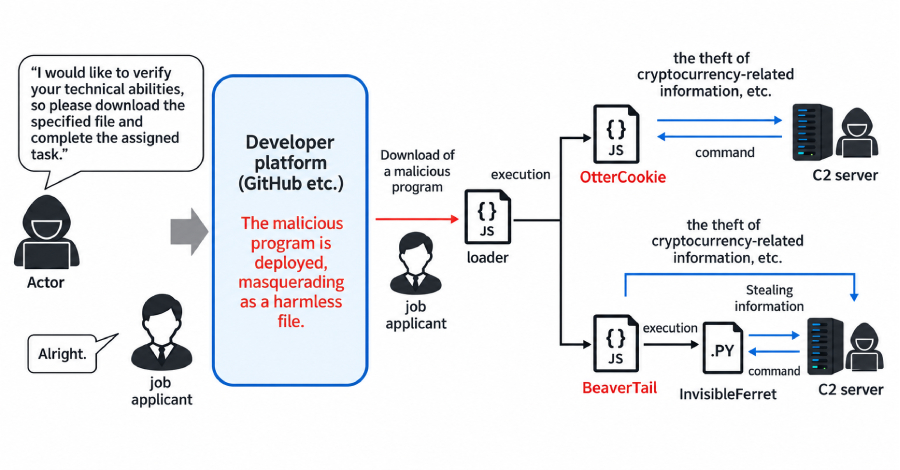
Cybersecurity researchers have discovered a cluster of 13 npm packages that have been found to deliver a previously undocumented JavaScript stealer codenamed WeaselBiscuit. The new malware family, per OpenSourceMalware, exhibits functional overlaps with two malware strains associated with the Democratic People's Republic of Korea's (DPRK) Contagious Interview campaign: BeaverTa
Claimed Bug Bounty Hunter Likely Used LLM to Build PhantomRaven npm Stealer
A financially motivated threat actor has been linked to the development and distribution of a JavaScript (JS)-based information stealer known as PhantomRaven via the npm package registry. "The developer likely wrote the malware using a large language model (LLM), an assessment made with high confidence based on verbose comments, placeholder code, and statistical token-analysis