Field notes from the edge.
What our engineers learned this week. Hands-on technical deep-dives, postmortems, and strategy frameworks.

 AI
AIAI Sends Global Crime Syndicates Into Fraud Nirvana
Organized crime syndicates are leveraging AI technologies including voice cloning, deepfake video, and LLM-driven automation to execute sophisticated fraud operations at unprecedented scale, generating billions in illicit revenue. These advanced capabilities enable criminals to impersonate individuals convincingly, manage multiple fraudulent personas simultaneously, and operate across language bar
 AI
AIOpenAI Disrupts Poipet Scam Network Using ChatGPT Across Multiple Fraud Schemes
OpenAI has disrupted a sophisticated scam network based in Poipet, Cambodia, that exploited ChatGPT to conduct multiple fraud schemes including investment scams, romance fraud, gambling operations, and law enforcement impersonation. The company banned a coordinated network of ChatGPT accounts traced to Southeast Asia, highlighting the growing challenge of AI-powered cybercrime operations.
 AI
AIInterpol Leverages Global System to Curtail Fraud Payments
Interpol is utilizing its global network and systems to intercept and prevent fraudulent payment transactions before cybercriminals can complete cash-out operations. The initiative emphasizes the critical time-sensitive nature of law enforcement response to financial fraud, requiring rapid coordination across international jurisdictions to freeze illicit payments.
 AI
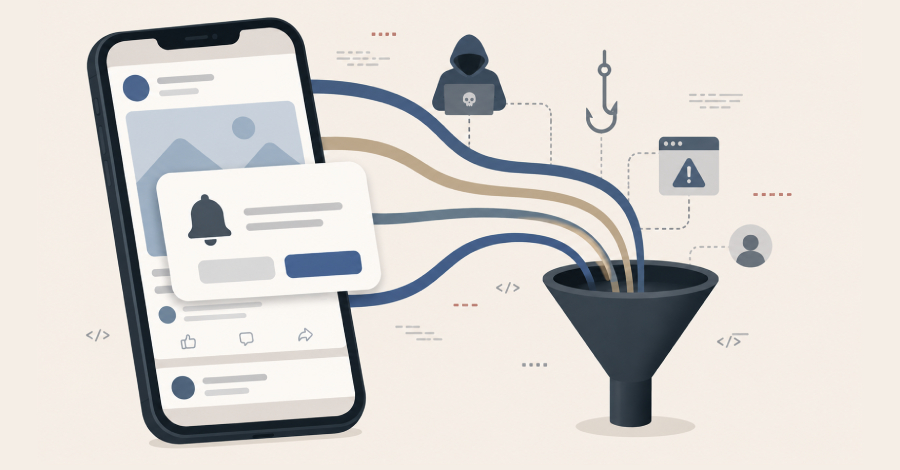
AISniper Dz Scams Target MENA Users via Fake Facebook Offers and Browser Alerts
Cybersecurity researchers have identified a fraud campaign called Sniper Dz targeting users in the Middle East and North Africa region through fake Facebook accounts. The scammers impersonate politicians, public figures, and trusted organizations to promote fraudulent offers including free mobile internet packages, financial compensation, and government subsidy programs.
 AI
AIFIFA World Cup 2026 Scams Are Already Live: Fake Sites, Banking Malware, and Stolen Logins
Security researchers and the FBI have issued warnings about a surge in FIFA World Cup 2026-related cybersecurity threats targeting fans ahead of the tournament. Attackers are deploying thousands of fraudulent FIFA domains, banking malware embedded in illegal streaming applications, and sophisticated phishing pages designed to steal legitimate user credentials. These scams exploit the massive globa