Field notes from the edge.
What our engineers learned this week. Hands-on technical deep-dives, postmortems, and strategy frameworks.

 AI
AIFCC Blocks New Foreign-Produced Robots and Power Inverters Over Cyber Risks
The FCC has added foreign-produced mobile robots and networked power inverters to its Covered List due to cybersecurity concerns, effectively blocking new models from receiving equipment authorization needed for import and sale in the US. Previously authorized models remain available for purchase, and existing devices are not affected by this regulatory action.
 AI
AIMicrosoft faces competition probe over Copilot subscription price hike
The UK's Competition and Markets Authority (CMA) is investigating Microsoft over potential consumer protection violations related to its January 2025 price increase for Microsoft 365 subscriptions. The probe focuses on whether Microsoft adequately informed customers about their options when it automatically moved them to a more expensive Copilot-enabled tier, requiring active opt-out to a cheaper
 AI
AIRussia Charges Telegram Founder Pavel Durov With Aiding Terrorist Activity
Russia's Federal Security Service (FSB) has charged Telegram founder Pavel Durov with facilitating terrorist activities and failing to remove prohibited content from the platform. The charges stem from allegations that Telegram did not remove numerous channels, chats, and bots that violated Russian law.
 AI
AIHouse Committee Advances Bill Preventing OSHA From Implementing Heat Standard
The House Education and Workforce Committee has advanced a bill that would prohibit OSHA from implementing proposed heat illness prevention standards requiring employers to control workplace heat hazards above 80°F. The Heat Workforce Standards Act of 2025, passed along party lines (18-15), would block not only the current proposed rule but any similar future heat standards, with critics arguing i
 AI
AIHow to Become HIPAA Compliant
This article outlines a practical framework for achieving HIPAA compliance based on HHS's Seven Fundamental Elements of an Effective Compliance Program, updated for 2026 relevance. The approach emphasizes developing comprehensive policies, designating compliance officers, implementing effective training, establishing communication channels, monitoring practices, enforcing sanctions fairly, and res
 AI
AIAI Use by the US Government
The Trump administration disclosed 3,611 active or planned AI use cases across federal agencies, representing a 70% increase from the Biden era and raising concerns about automated decision-making in sensitive areas including prisoner classification, veteran mental health assessment, and nuclear reactor control. While some applications may be beneficial, the disclosure lacks sufficient detail and
 AI
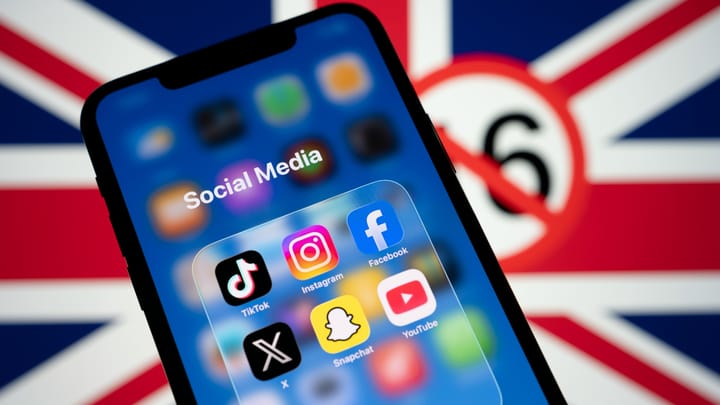
AIUK Social Media Ban for Minors Has Privacy Experts Worried
The UK government plans to implement a ban prohibiting users under 16 from accessing user-to-user social media platforms, a move that has raised significant concerns among privacy experts. The policy faces technical challenges around age verification mechanisms and potential privacy implications for both minors and adults who must prove their age.
 AI
AIThe FCC Wants to Eliminate Burner Phones
The FCC has proposed a rule requiring telecommunications providers to collect and store extensive personal information—including government-issued ID numbers and physical addresses—for all phone customers, effectively eliminating anonymous 'burner phones.' While positioned as an anti-scam measure, the proposal has drawn criticism from privacy advocates who compare it to authoritarian surveillance
 AI
AISenator Seeks Answers from NYC Health & Hospitals About 1.8M Record Breach
Senate HELP Committee Chair Senator Bill Cassidy is demanding answers from NYC Health + Hospitals regarding a data breach affecting 1.8 million individuals, where unauthorized access persisted for nearly three months through a third-party vendor compromise. The breach, discovered in February 2026, exposed sensitive patient data including Social Security numbers, medical records, and geolocation in
 AI
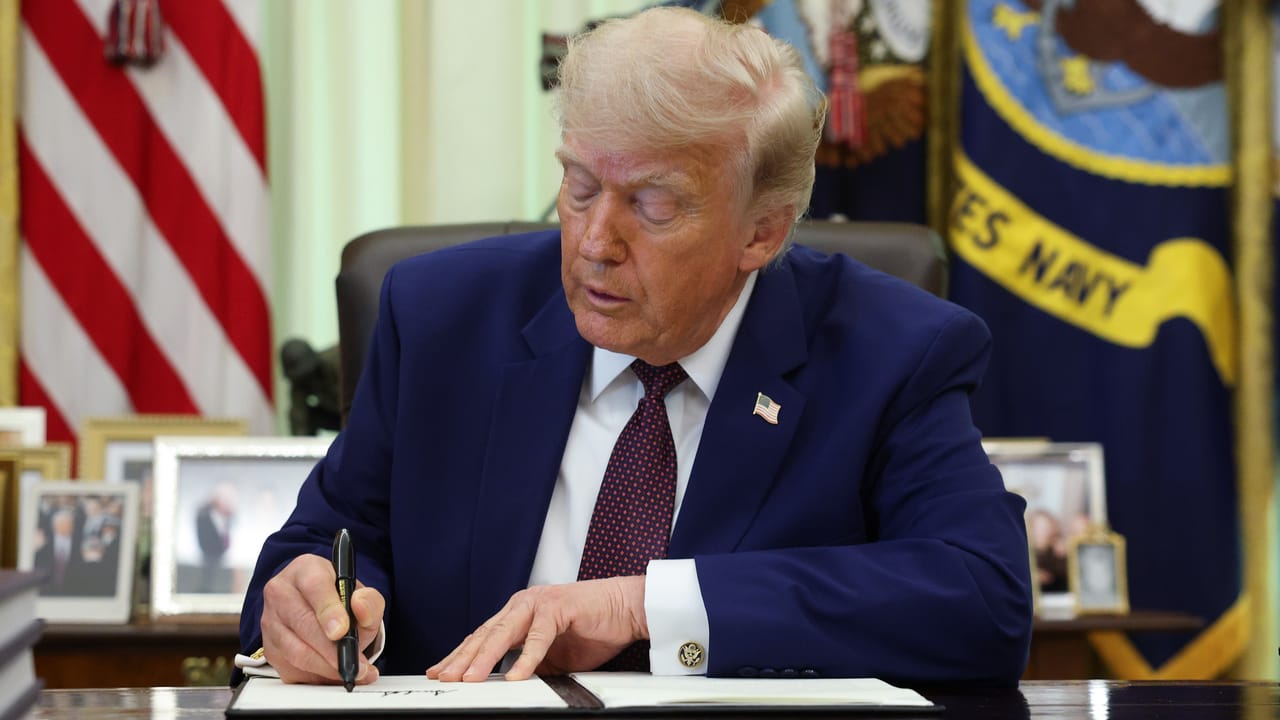
AITrump AI Order Seeks Voluntary Frontier Model Testing
The White House has issued an executive order creating a voluntary framework that allows early government access to frontier AI models for testing and evaluation. The order also includes provisions for increased federal investment in AI security infrastructure and oversight capabilities.