Field notes from the edge.
What our engineers learned this week. Hands-on technical deep-dives, postmortems, and strategy frameworks.

 AI
AIAI-Generated Patches Fail Half the Time
A comprehensive study analyzing over 6,000 AI-generated code patches reveals a 50% failure rate, with successful patches often introducing secondary issues. Even patches that appear functional may create new bugs, break existing functionality, or leave systems vulnerable to security bypasses, raising concerns about the reliability of AI-assisted code remediation in enterprise environments.
 AI
AIHumans in the loop miss a third of dangerous AI coding agent requests
A browser-based game testing human oversight of AI coding agents reveals that users approve approximately one-third of malicious requests, highlighting significant security risks in human-in-the-loop systems. The research, based on over 40,000 game runs, demonstrates that approval fatigue leads to sloppy decision-making, with users approving 93% of permission prompts in real-world scenarios. Exper
 AI
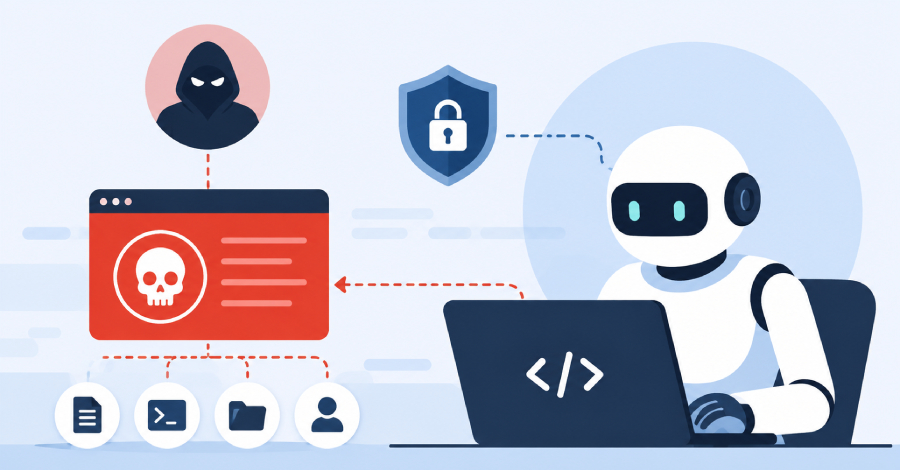
AIAgentjacking Attack Tricks AI Coding Agents Into Running Malicious Code
Cybersecurity researchers at Tenet Security have identified a new attack vector called 'Agentjacking' that exploits AI coding agents to execute malicious code on developer systems. The attack leverages fake error reports through platforms like Sentry, an open-source error-tracking tool, to trick AI agents into running arbitrary code.
 AI
AIClaude Code GitHub Action Flaw Let One Malicious Issue Hijack Repositories
A critical vulnerability was discovered in Anthropic's Claude Code GitHub Action that allowed attackers to hijack public repositories through a single malicious GitHub issue. The flaw was particularly severe because Anthropic's own action repository used the vulnerable workflow, potentially enabling supply chain attacks affecting all downstream projects using the action.